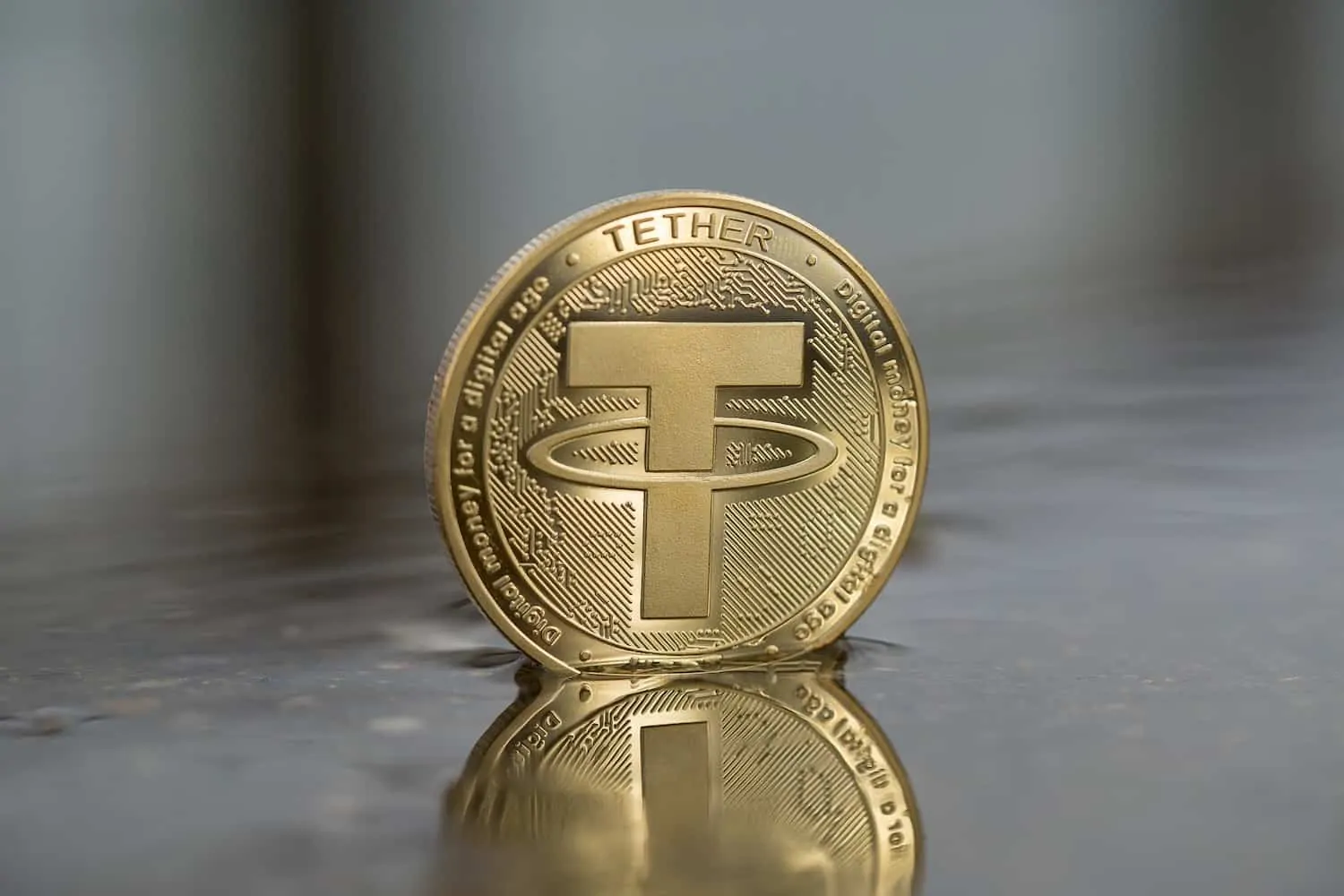
The integration of USDT into the OMG Network will allow network transactions to be confirmed in less time, reducing gas costs and achieving better network performance. These and more news are in this practical daily summary so that you are always informed with the most recent events that occur within the crypto world.
📍In order to reduce and avoid network congestion Ethereum, Tether has decided to incorporate USDT into the network of OMG Network, a second-layer solution for value transfer built on the Ethereum blockchain. OMG Network is a trustless, non-custodial solution designed to reduce Ethereum network congestion and minimize transaction costs and network gas fees. In this regard, Tether CTO, Paolo Ardoino, announced that the incorporation of the stablecoin The OMG Network will enable USDT services to be boosted, ensuring excellent support for its customers, saving costs, reducing congestion and boosting performance.
📍In South Korea, the Department of Computer Engineering at Kyung Hee University and the Institute for Planning and Evaluation of Information and Communication Technologies will implement a work Smart to improve the health sector supply chain through the network IOTAThe new IOTA-based system will enable efficient, continuous and real-time monitoring of the supply of medical equipment, ensuring transparency, reliability, security and decentralization throughout the entire process.
📍DeFixy, a new decentralized market protocol designed to facilitate and simplify the use of cryptocurrencies, and technology blockchain. It is a p2p market where users will be able to make transactions from fiat to crypto, or vice versa, directly, without complexity or friction. Likewise, the DeFixy platform will provide services for DeFi, which will allow users to acquire loans easily and simply. The DeFixy development team announced the launch of this new market platform for the month of October.
📍In Europe, regulators continue to work on building a regulatory framework in relation to cryptocurrencies and digital assets, in order to guarantee legal certainty to the millions of users of these assets and to the companies that provide services related to them. European Union (EU) The EU seeks to position itself as a world leader and reference in the development of global regulatory standards for the use of crypto assets; in addition, the EU also seeks to establish the necessary regulations that allow the creation of a solid crypto asset market on the continent.
📍Meanwhile, in the United States, a poll by CoinFlip, an ATM firm for Bitcoin and cryptocurrencies, showed that more than 80% of Americans interviewed are familiar with cryptocurrencies, although around 55% only know about Bitcoin and have not heard of the other cryptocurrencies that exist on the market today.
📍In Luxembourg, the country's government is implementing a bill that allows the issuance of dematerialized securities using blockchain technology or DLT. According to the bill, DLT-based issuance accounts can be used for dematerialized securities, and it also allows for the expansion of the scope of central account holders for unlisted debt securities. The latter aspect allows foreign companies and entities to operate and provide their services as central account holders, as long as they are authorized by the European Economic Area.
Continue reading: Catalonia and Coursera join forces to offer more than 4.000 free courses that include blockchain