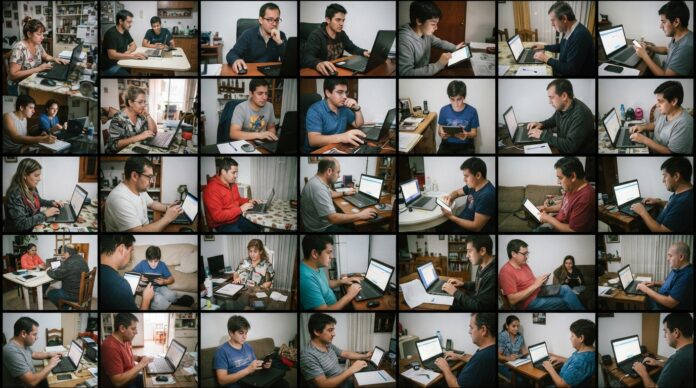
The operators of the Solana network are participating in the first on-chain governance votes in their history. The main objective is to decide on two key proposals designed to reduce the growth of SOL's supply, thereby curbing long-term asset dilution and modifying the protocol's economic structure.
This initiative marks a fundamental step in the decentralization of the network, allowing the community to take control of monetary policy. By putting the issuance and burning of tokens to a vote, the ecosystem seeks a sustainable balance between blockchain security and value for participants.
The milestone of on-chain governance in the Solana ecosystem
The evolution of decentralized networks requires consensus mechanisms that go beyond simple block validation. In this context of technological maturity, network validators are debating a plan to accelerate cuts in the issuance of new SOL tokens and drastically increase fee burnsThis event is of utmost importance because it represents the first time Solana has used a formal on-chain governance system to make critical decisions about its future.
Until now, many updates and decisions across various blockchain networks have been managed through off-chain discussions, developer forums, and informal consensus before code deployment. The transition to an on-chain model means that node operators and those delegating their tokens have a direct, auditable, and transparent vote recorded on the blockchain itself. This level of community participation reinforces the decentralized nature of the project and sets a precedent for future protocol updates.
The governance system requires proposals to reach a specific quorum and a majority level of support to be considered valid. In the case of these economic proposals, the approval threshold is set at a two-thirds majority, or 66,67% of the votes in favor. This high requirement ensures that only changes with broad community consensus advance to the technical development phase.
The proposal to reduce the issuance of new SOL tokens
The first major topic of debate in this historic vote is the network's inflation rate. Currently, the Solana protocol generates around 60.000 new SOL tokens every day. These newly minted crypto assets are primarily used to distribute rewards among the node operators who secure the network through the Proof of Stake (PoS) consensus mechanism. While this issuance is vital for incentivizing participation and maintaining security, it also increases the total circulating supply.
The current proposal seeks to accelerate the reduction of this new token issuance. Solana has a planned deflation schedule, which began with a higher inflation rate to fuel initial growth and is designed to gradually decrease over time. However, a significant portion of the community believes this reduction rate should be faster to protect the asset's value from dilution. At the time of the vote, this measure had 68,77% support, narrowly exceeding the threshold required for approval.
Reducing the issuance has direct implications for all participants in the ecosystem. For validators, it could mean an adjustment to the passive rewards they receive for securing the network, forcing them to rely more on transaction fees. For regular users, lower overall inflation means that the tokens they already own retain a larger proportion of the total network value—a crucial factor when building a long-term portfolio.
The debate over the increase in commission burning
The second proposal on the ballot focuses on transaction fee management and proposes a radical change in how they are processed. The plan suggests charging transactions based on the exact computational work they demand from the network and destroying that portion of the fee entirely. If approved, this measure would raise the daily token burn from the current 650 SOL to an estimated 7.500 to 9.000 SOL.
To put these figures into perspective, at the current market exchange rate, the upper limit of this proposed burning equates to approximately €740.000 per day permanently removed from circulation. Despite the positive economic impact that scarcity typically generates, this proposal currently has 62,72% support, falling short of the two-thirds threshold required to become an official mandate.
Token burning is a deflationary mechanism used by several top-tier blockchain networks to counteract the issuance of new assets. By destroying a portion of the fees paid by users, the network reduces the circulating supply. While destroying 9.000 SOL daily would still fall short of the 60.000 new SOL created each day, it would represent a significant step toward a more balanced and less inflationary network economy. If you'd like to learn more about how these economic mechanisms work, you can explore the educational resources available at [website address]. Bit2Me Academy.
Impact of monetary policy on building your portfolio
Understanding supply and demand dynamics is essential when deciding to acquire crypto assets and participate in the Web3 ecosystem. Inflation in Proof-of-Stake (PoS) networks is a fundamental tool for incentivizing decentralized security; however, excessive and prolonged issuance can dilute the value of existing tokens. Current voting on Solana reflects a mature community seeking to optimize its monetary policy to benefit both technical operators and everyday users.
When a network reduces its issuance and increases token burning, it tends to improve the retention of value of the native asset. This is especially relevant for those seeking rewards through staking. Although the nominal amount of tokens received as a reward may be adjusted, a stricter economic model can strengthen the fundamentals of the underlying asset. To participate in this ecosystem in a regulated manner, use your secure exchange like Bit2Me It provides you with the necessary tools to manage your assets with complete confidence.
Furthermore, the community's ability to propose, debate, and vote on these changes demonstrates the protocol's resilience. Unlike traditional financial systems, where monetary policy decisions are made behind closed doors by a small group of entities, on-chain governance allows any participant with delegated tokens to have a voice in the platform's economic future.
Technical development and alignment with the MiCA Regulation
It is crucial to clarify that, even if both proposals reach the required 66,67% quorum and support, they will initially act only as community mandates. The actual implementation of these economic changes will require extensive and independent technical work by the Solana core developers. The code must be written, audited, and rigorously tested on testnets before the modifications are implemented on the mainnet.
This methodical and transparent approach strongly aligns with the principles of clarity and user protection promoted by modern regulatory frameworks, such as the MiCA Regulation in the European Union. European regulations require token issuers and crypto-asset service providers to maintain a high level of transparency regarding the operation, issuance, and associated risks of digital assets. Open and verifiable governance processes like Solana's facilitate compliance with these transparency standards.
Aligning technological innovation with regulatory expectations is a vital step toward mass adoption. By establishing clear rules on how decisions are made and how the token economy is modified, blockchain networks build the trust necessary to attract both retail users and institutional participants within the European legal framework.
FAQ
What does on-chain governance mean in Solana?
On-chain governance is a system integrated into the blockchain that allows network participants, such as validators and users who delegate their tokens, to vote directly on proposed improvements. This ensures that decisions about the protocol's future are transparent, verifiable, and fully decentralized, eliminating the need for intermediaries.
Why is the burning of SOL tokens important?
Token burning involves permanently removing a specific amount of crypto assets from circulation by sending them to an inaccessible address. At Solana, increasing token burns helps counteract the daily issuance of new tokens, reducing overall network inflation and protecting users from the dilution of their asset value.
What happens if these governance proposals are approved?
If the proposals surpass the two-thirds support threshold (66,67%), they become official mandates backed by the community. Subsequently, the technical development teams will need to schedule, audit, and deploy the corresponding updates on the main network for the changes to emissions and burning to take effect.
How does reduced emissions affect network rewards?
A reduction in the issuance of new SOL tokens means fewer assets will be created daily to pay validators. While this could lower the nominal percentage of staking rewards, a lower inflation model aims to better preserve the long-term value of the token, balancing the overall economy of the ecosystem.
The transition to a more participatory on-chain governance model demonstrates the structural maturity that the leading networks in the crypto ecosystem are achieving. By giving operators and users a direct voice, Solana seeks to transparently balance the need to incentivize the network's technical security with protecting the long-term value for its entire community.
Staying informed about these economic and structural updates is crucial for understanding the evolution of blockchain technology. As the sector moves toward greater operational clarity and aligns with demanding regulatory frameworks like MiCA, the adaptability and decentralized governance of protocols will be key factors in their consolidation as the financial infrastructures of the future.
Investing in cryptoassets is not fully regulated, may not be suitable for retail investors due to high volatility and there is a risk of losing all invested amounts.
Generative artificial intelligence tools were used to create this article.