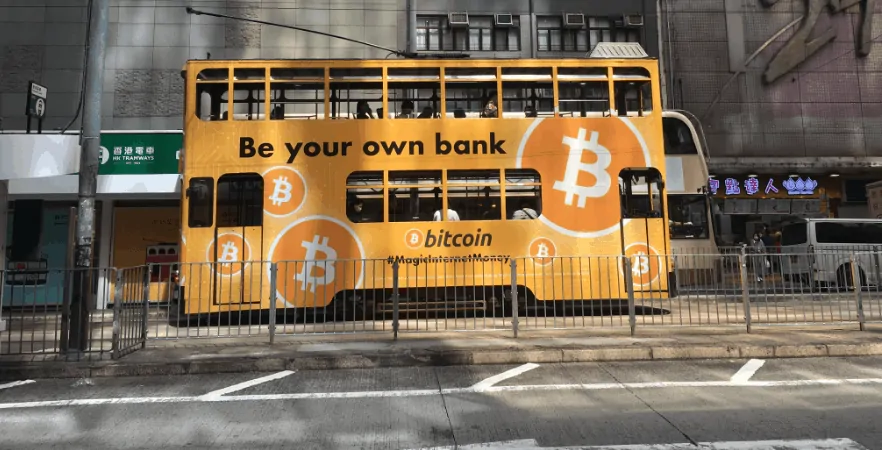
The Hong Kong Bitcoin Association, one of the largest cryptocurrency advocacy organizations, is asking the Hong Kong regulator to exclude ATMs from the agency's newly-anticipated AML regulations on the crypto industry.
Hong Kong's Securities and Futures Commission (SFC) announced new regulatory measures for the crypto industry, including requiring licenses for all companies and businesses that provide services with cryptocurrencies, and digital assets, and the prohibition of retail trading of these assets, in order to strengthen its anti-money laundering (AML) measures.
However, with the arrival of the new regulations and after their detailed analysis, the defenders of Bitcoin They are asking the agency to restructure these regulations and exclude cryptocurrency ATMs from the new rule. This is so that retail users and investors have this service available for the acquisition and exchange of cryptocurrencies with other users.
According to report As reported by South China Morning Post, there are around 60 Bitcoin ATMs in Hong Kong, spread across the city in shopping malls and other buildings, which users can use as their last resort for buying and selling the cryptocurrency.
It may interest you: Hong Kong regulator requires licenses for all exchanges in its jurisdiction
SFC regulations could destroy its goals of financial inclusion and innovation
In November, the Securities and Futures Commission (SFC), the region’s regulator, announced the establishment of regulations for the crypto industry, which will require licenses for all companies and businesses that provide services related to cryptocurrencies and digital assets, in order to ensure that participants in the digital industry comply with current regulations regarding compliance with KYC (Know Your Customer) and ALM (Anti-Money Laundering) requirements, which allow for the safe and responsible custody of digital assets.
According to the regulator, the new regulations will prevent malicious actors from using the digital ecosystem to conduct their illicit activities and escape the law, putting the security and integrity of investors and the industry at large at risk. However, to reinforce these regulations, the SFC also has plans to ban cryptocurrency trading for retailers and extend it to ATMs, something that could destroy Hong Kong's goals of promoting financial innovation and inclusion in the region, experts say.
Leo Weese, co-founder of the Hong Kong Bitcoin Association, said that stricter oversight of Bitcoin by the SFC is creating an environment of doubt and uncertainty for emerging crypto companies, and also for their related investments. blockchain. In addition, the expert noted that he believes that restricting the access of individuals and retail investors to the use and investment of this cryptocurrency would be “surpass the government’s goals of promoting innovation and financial inclusion.”
China and cryptocurrencies
Since 2013, China has maintained an unfriendly stance towards the cryptocurrency and digital asset industry. At that time, the country banned financial services companies from exchanging cryptocurrencies for fiat money, considering these global and decentralized assets a threat to its economy and financial system.
Thus, and since then, the country's government has adopted strong regulations and measures to prevent its citizens from trading in these digital assets, despite the fact that the country is home to many of the exchanges and the largest cryptocurrency exchanges in the world, and the largest manufacturers of miners for the crypto industry. Likewise, China is the nation that currently controls the largest amount of hash rate of the Bitcoin network, and the country that seeks to position itself as a world leader in blockchain technology.
Finally, since mid-September, the Bitcoin Association in Hong Kong has been destined to flood the streets of the island with a campaign advertising campaign about Bitcoin, which aims to make citizens effectively aware of the potential of this cryptocurrency within global markets.
Continue reading: Hong Kong regulator grants crypto license to OSL platform