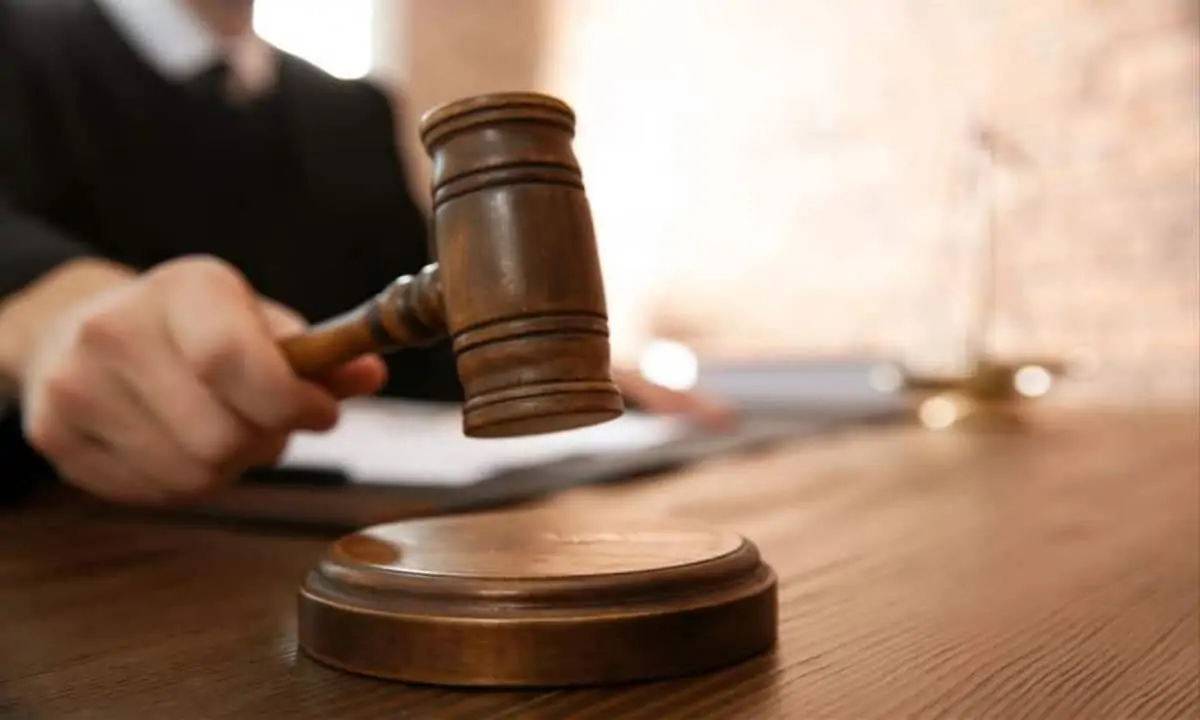
The legal battle between the Securities and Exchange Commission (SEC) and Ripple Labs took a new turn when the court of the Southern District of New York authorized Ripple CEO Brad Garlinghouse to access private Binance documents to prove his innocence in the case.
Brad Garlinghouse, CEO of the services company with cryptocurrencies, Ripple Labs asked the Southern District Court of New York to authorizes your access to private documents of Binance, the largest exchange cryptocurrency by trading volume, to show that the transactions he made with XRP were outside the jurisdiction of the SEC and, therefore, he is not guilty of the charges that the regulator is imposing against him.
Garlinghouse’s legal team said the Binance documents are essential to resolving the case against the executive, who faces a lawsuit from the SEC citing the personal sale and unregistered trading of more than $357 million worth of XRP tokens in the country. The Binance documents will show that the sale and offering of the XRP token, which the SEC considers a security in the United States, was largely conducted outside the United States and therefore outside the jurisdiction of the financial regulator, the legal team said.
Since December, Ripple Labs and its two top executives, Brad Garlinghouse and Chris Larsen, have been facing a tough legal battle against the Securities and Exchange Commission, which demanded the company for allegedly carrying out a sale of securities in the form of tokens XRP without authorization from the country’s regulators. Since then, the legal dispute has taken several important turns, giving Ripple some victories over the regulator that have been reflected in the value of its token.
It may interest you: Gary Gensler will work for stronger regulation for cryptocurrencies
Ripple vs. SEC
Although Ripple Labs claims that its XRP token is a cryptocurrency, the Securities and Exchange Commission insists that it is a security, meaning its trading and dealing were conducted without complying with applicable federal securities laws in the United States.
According to the SEC, Ripple Labs raised $1.300 billion through the unauthorized sale of XRP tokens. Since the lawsuit was filed, executives at the cryptocurrency company have begun gathering evidence to dismiss the regulator's accusations.
Garlinghouse said he would fight the SEC for as long as the dispute continues in court.
Ripple wins
In March, the SEC asked the courts for permission to access the personal finances of Garlinghouse and Larsen, citing that knowing the executives' weekly spending, including what they spend on groceries, was important to uncover and identify any fraud. However, the executives asked for protection of their personal finances and asked the court to dismiss the SEC's request, calling it excessive and intrusive.
Then, in May, Judge Sarah Netburn denied a motion from the SEC seeking permission to access Ripple's legal advisory documents. The judge also ruled that the company could call Bill Hinman, a former SEC official who in 2018 stated that Ethereum is not a security in the eyes of the regulator. Ripple has been seeking for some time now from the SEC to declare why it is not a security. Bitcoin ni Ethereum are listed as securities under federal law.
Likewise, Ripple Labs' legal team argues that the regulator filed a lawsuit against Ripple after being in the market for more than 7 years.
The opinion of other regulators
How reported Bit2Me News, the opinion of financial regulators in the United States and around the world on XRP is divided.
First, Japan’s financial regulator, the FSA, declared that XRP is not a security. Similarly, the Department of Justice, the Department of the Treasury, and FinCEN said in 2015 that the token issued by Ripple Labs is not a security in the country.
On the other hand, the commissioner of the US Commodity Futures Trading Commission (CFTC), Brian Quintenz, said that the CFTC is the one that should regulate the cryptocurrency industry, instead of the SEC. On his Twitter account, Quintenz explained that cryptocurrencies are commodities and not securities.
SEC Chairman Gary Gensler recently stated that he will begin working on building a stricter and more robust regulatory framework for the crypto industry to ensure investor protection.
XRP recovers more than 100% of its value
At the time of filing the lawsuit, XRP's value on the markets fell by more than 70%, driven by fears of SEC actions against Ripple Labs.
XRP fell to $0,19 in early January after trading above $0,70 per unit in December. XRP’s price continued to fall as several cryptocurrency exchanges and platforms began to suspend trading operations with the token; even Grayscale Investment, the world’s largest digital asset manager, decided to close its XRP investment fund, the “Grayscale XRP Trust,” and liquidate assets held in the cryptocurrency.
However, at the time of writing, XRP has recovered significantly and its price is back to the same levels as in December, prior to the SEC lawsuit. The cryptocurrency had a bullish streak during the Bitcoin price surge and the altcoin season of the second quarter, pushing its price above $1,75 per unit. Also, the victories that Ripple Labs has achieved against the SEC have been catalysts for the cryptocurrency's price increase in recent months.
At press time, XRP is trading at $0,74, CoinGecko data shows. XRP’s market cap currently exceeds $34.000 billion.
Continue reading: Ripple faces new lawsuit for violating securities laws in Florida