
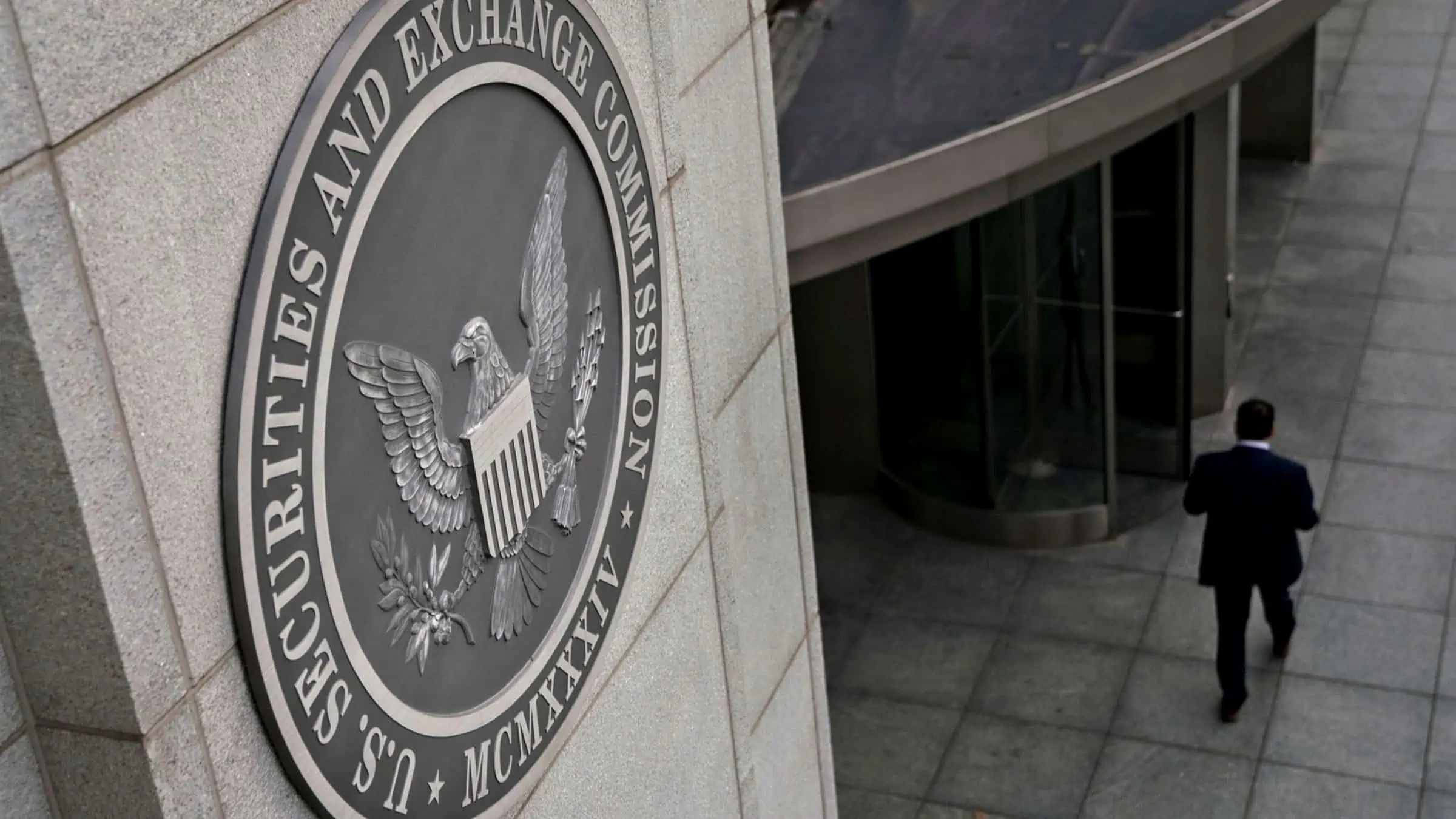
The Securities and Exchange Commission (SEC) is investigating whether some NFT tokens could qualify as securities under U.S. law.
The non-fungible tokens (NFT) are in the crosshairs of the United States Securities and Exchange Commission (SEC). Currently, the financial regulator in charge of Gary Gensler, is conducting an investigation to determine the way in which these digital assets are being used. According to a report According to Bloomberg, the SEC is examining NFT creators and the marketplaces where these assets are traded to analyze whether some of these digital assets are being used in a similar way to traditional securities.
The SEC’s ongoing investigation is focusing on certain types of NFTs, such as artwork and sports collectibles, the people familiar with the matter said.
The regulator is also looking into fractional NFTs that split ownership into hundreds or thousands of parts to make them more accessible to users. One example of this is the artwork that anonymous artist Pak sold in late 2021. “Merge,” designed by Pak, was sold as a fractional NFT that was split into 295.417 parts. Each of the parts, which were offered for between $299 and $575, were purchased by more than 28.900 collectors. Under this concept, Merge reached a value of $91,8 million, a figure that allowed Pak to set a new record as the most valuable living artist in the world.
It may interest you: State Street awaits regulatory approval to launch cryptocurrency custody service
SEC targets NFTs
The SEC's ongoing investigations have been going on for a few months, the sources said. As part of these investigations, the financial regulator has been subpoenaing individuals, companies and platforms related to NFT projects, which may be violating US securities laws. However, Bloomberg analysts recalled that SEC investigations do not always lead to enforcement actions by the regulator.
Gary Gensler, the current chairman of the Commission, has been making progress on oversight of the cryptocurrency industry at large. In recent months, Gensler has pushed for greater regulatory power over the cryptocurrency industry. Bitcoin, the ecosystem DeFi And now to NFTs, a market that exploded in popularity in 2021, surpassing $44.000 billion in trading volume.
If the SEC determines that some types of NFTs are being used to raise money in a similar way to securities, they could be subject to the same rules as U.S. stocks. To determine whether an asset is a security, the SEC applies the so-called Howey test. SEC Commissioner Hester Peirce, known as “Crypto Mom” for being one of the most crypto-friendly, has said that some types of NFTs could fall under the SEC’s regulatory regime because they fit the regulator’s standard definition of a security.
Fractional NFTs
In March of last year, during his participación At Draper Goren Holm’s Security Token Summit, Peirce warned the crypto community that selling fractional NFTs could be violating U.S. securities laws. The SEC commissioner urged NFT creators to be cautious when selling fractional NFTs, so as not to create security-like investment products.
As explained above, fractional NFTs emerged as a type of NFT that divides the ownership of an asset, such as a property or a high-value piece of art, into several parts to allow smaller investors to gain exposure to these assets in an accessible way. This is a new asset class that aims to democratize investment in the digital world, but it could be messing with current regulations.
Regulatory scrutiny on the cryptocurrency industry has intensified over the past year following its accelerated growth. At the time of this writing, the crypto market exceeds $100,000. 1,8 trillions of dollars, while the NFT market moves close to 2.500 million in sales per month, prompting regulators to crack down on and control this emerging industry.
In the securities debate, Ripple is facing a lawsuit from the SEC for allegedly selling unregistered securities. Also, last month, financial company BlockFi was called by the regulator to pay a $100 million fine for promoting securities through its high-interest loans and savings accounts using cryptocurrencies.
Continue reading: IMF advises regulators to keep an eye on the cryptocurrency industry