
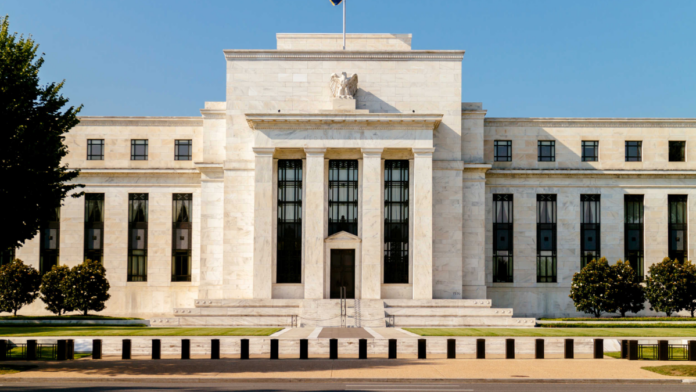
The Fed allows banks to operate in cryptocurrencies, transforming regulation and the future of global and U.S. finance.
The relationship between traditional banks and the crypto world is experiencing a turning point that could forever transform the US and global financial landscape. The Federal Reserve has taken a historic step by removing restrictions that prevented banking institutions from operating with cryptocurrencies and stablecoins, marking a turning point in the regulation of these digital assets.
This move, which occurs in a context where innovation and regulation seek balance, opens the door to more active and formalized participation by banks in the cryptocurrency market, with clear implications for transparency, security, and the development of new financial strategies.
With this new step, it's clear that the blockchain ecosystem is making increasing progress in TradFi integration, where regulation and trust are vital. This is a powerful reason to trust tools that are built with regulation in mind and generate services tailored to their users.
ENTER THE MARKET SAFELY AND RELIABLYThe Fed lifts restrictions on banks and cryptocurrencies.
In a official statement issued on April 24, 2025, The Federal Reserve announced the unilateral revocation of guidelines that until now required banks to seek prior approval to operate with cryptocurrencies and other cryptoassets. These rules had been established between 2022 and 2023 in a context of caution due to the volatility and uncertainty of digital assets, and sought to mitigate financial and reputational risks. The cancellation of these restrictions brings the Federal Reserve in line with other regulatory agencies such as the Office of the Comptroller of the Currency (OCC) and the Federal Deposit Insurance Corporation (FDIC), which had already withdrawn their restrictive guidelines.
This change grants banking institutions greater autonomy to decide their participation in cryptocurrency-related activities, always within internal compliance and risk management frameworks. It should be noted that, although specific oversight for crypto assets is being eliminated, the Fed will continue to monitor these activities through its regular banking oversight processes. For example, a bank will now be able to decide to hold or facilitate the purchase and sale of cryptocurrencies without having to wait for explicit authorization, which streamlines the transaction and encourages innovation in this area.
This flexibility responds to the objective of “further support innovation in the banking system”, ensuring that the rules adapt to the real and evolving risks of the digital ecosystem, without burdening banks with excessive requirements.
Stablecoins now authorized under minimal supervision
In parallel with this decision, the Fed has made it clear that banks will be able to officially engage with stablecoins—cryptocurrencies whose value is pegged to fiat currencies like the dollar—under minimal oversight. These stablecoins, which are essential today for facilitating fast and stable payments in the crypto market, had been subject to banking restrictions due to concerns about associated risks and a lack of clear regulation.
An example of this is the elimination of the 2023 supervisory circular, which prohibited banks from operating with stablecoins. This measure seeks to avoid interfering with ongoing legislative processes, such as the STABLE and GENIUS projects, which are being debated in the US Congress to establish a defined regulatory framework for these currencies.
Authorization for banks to operate with stablecoins includes activities such as custody, lending, buying, and selling, under standard banking security regulations. This approach, similar to that applied to other financial assets, reflects growing confidence in these cryptocurrencies as legitimate and functional instruments of the system.
A national bank, for example, could offer stablecoin-linked accounts to facilitate international payments with lower fees and immediate processing times, benefiting customers with innovative and secure digital access under rules familiar from the traditional banking system.
Trade stablecoins safely on Bit2MeKey regulatory change in the US administration
This regulatory change reflects a new approach by the U.S. government, especially the leadership under the Donald Trump administration, which has reversed previous policies considered restrictive. During the previous administration, led by Joe Biden, precautionary measures and strict controls were promoted under the guise of protecting financial stability.
Trump, on the other hand, has signed executive orders to promote the development and responsible use of digital assets, highlighting the economic innovation they represent and their importance in maintaining international financial supremacy. Among other actions, he has pledged to tear down regulatory barriers that limited cryptocurrency operations, especially the so-called "Operation Chokepoint 2.0," which had forced banks to close accounts linked to crypto businesses.
The expectation is that this change will foster the consolidation of a more dynamic and competitive market, while promoting the creation of new regulations that integrate these assets into the financial system in a more coherent and secure manner.
As a recent case shows, numerous crypto and fintech companies have applied for trust letters to obtain master accounts with the Fed, which would allow them to operate without traditional bank intermediation, a step the Fed has so far denied due to systemic risk and regulatory considerations.
Development of laws to legalize stablecoins
As the Fed and federal regulators loosen restrictions, the burden of specific regulation for cryptocurrencies and stablecoins is beginning to fall on the legislative level. Several bills, such as the STABLE Act and the GENIUS Act, are being discussed in the US Congress, designed to regulate the issuance, custody, and use of stablecoins with clear and rigorous standards.
These projects seek to ensure transparency, consumer protection, fraud prevention, and compliance with anti-money laundering (KYC/AML) regulations. They also seek to establish a legal framework that legitimizes these currencies and protects the US dollar's dominance in the global financial system.
 Certificate
Stablecoin Course
Medium levelLearn the differences between the main stablecoins. Discover where they come from and the uses to which they are applied.
An example of the importance of these laws is the intention to regulate large stablecoin issuers, ensuring they have real reserves, independent audits, and protection mechanisms to prevent systemic risks. Criminal penalties for cryptocurrency-related fraud are also planned.
This regulatory development is vital, because even though the Fed is easing direct banking supervision, the regulatory vacuum can generate uncertainty for investors and users, hindering the widespread adoption of these assets while clear and stable rules do not exist.
New Fed stance focused on security
Despite removing specific restrictions on banks operating in cryptocurrencies, the Fed emphasizes that its oversight and risk control function remains intact. Oversight is carried out within the framework of standard banking security practices, including continuous monitoring, risk analysis, and regulatory compliance.
For example, banks will need to integrate crypto-asset activities into their risk management and compliance systems, ensuring that cryptocurrency operations meet standards equivalent to those of other financial assets. This involves implementing security protocols, internal audits, and periodic assessments.
This stance seeks to balance openness to innovation with the responsibility to protect the stability of the financial system, preventing potential fraud or malpractice. Thus, the Fed is not abandoning supervision but rather adapting it to the new context, assuming that banks' experience and internal capacity are key to the responsible management of the crypto sector.
In short, the message is clear: Banks are authorized to operate with cryptocurrencies and stablecoins, but must maintain security and compliance standards, being responsible for the decisions and risks arising from them.
Investing in cryptoassets is not fully regulated, may not be suitable for retail investors due to high volatility and there is a risk of losing all invested amounts.