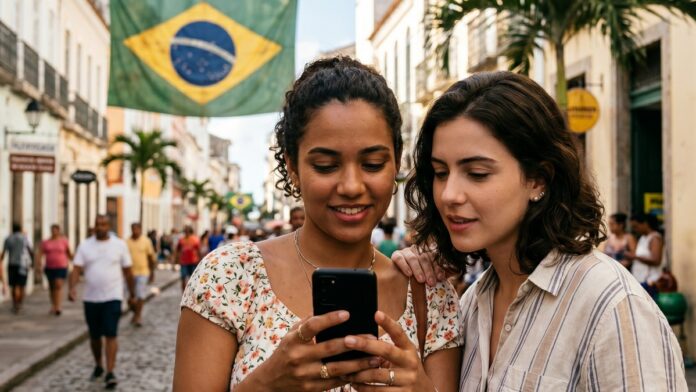
The adoption of digital assets in Brazil is reaching historic levels this year due to the integration of stablecoins with payment systems and new regulations.
Brazil is in the midst of a profound transformation of its financial landscape. During the first quarter of this year, the country recorded a volume of digital asset purchases of 6.900 millionAccording to data shared by the Central Bank, the current volume is double that recorded in the same period last year, reflecting the growing interest of Brazilians in cryptocurrencies.
In this scenario, the stablecoins Stablecoins are positioning themselves as key drivers of growth. These digital assets, pegged to traditional currencies like the dollar and the euro, have rapidly gained ground thanks to their stability and ease of usebecoming an increasingly common option among the Brazilian population.
The rise of these stable-value digital currencies also responds to a specific need. More and more users are prioritizing alternatives that allow them to perform transactions in a fast and cost-effective mannerCompared to the time and fees of the traditional banking system, stablecoins offer a more direct and efficient experience. And, in a context where speed and practicality influence financial decisions, these digital currencies are becoming an increasingly common solution.
Trade stablecoins on Bit2MeStablecoins are gaining ground and becoming integrated into the daily payment system.
According to local media reports, the evolution of the cryptocurrency market in Brazil has already transcended the simple exchange of assets and is beginning to integrate into daily life through increasingly accessible technological solutions. This transformation is reflected in the connection between stablecoins and local instant payment systems, allowing users to send and receive money quickly and easily.
Central Bank data supports this change in behavior. During the period analyzed, approximately $6.900 billion was mobilized, of which Approximately 6.800 billion corresponds to stablecoin transactionsClearly, this proportion shows the inclination of Brazilians towards the use of this type of asset within the digital ecosystem.
One of Brazil's leading media conglomerates, Valor Globo, reported that many citizens are incorporating stablecoins and blockchain-based solutions as useful tools for manage your money more efficiently. In addition to facilitating transfers, these solutions also offer a lower-cost alternative to traditional financial system methods, which is why they are gaining more transactional use than traditional cryptocurrencies, such as Bitcoin, viewed in the country more as an investment asset.
On the other hand, although dollar-linked stablecoins dominate in terms of usage in the country, the report notes that other Options linked to the local currency are starting to gain tractionAn example of this is the BRLA token, which already registers a monthly movement of close to 400 million dollars.
This scenario reflects a progressive change in user preferences, who find in digital solutions a more practical way to interact with their money inside and outside the country.
New regulations in Brazil boost confidence in the crypto market
The rapid growth of the cryptocurrency sector in Brazil this year is supported by a solid legal framework that aims to offer greater security to those participating in the financial ecosystem. This momentum is accompanied by concrete measures implemented by the Central Bank of Brazil, which at the beginning of the year introduced the Resolutions 519, 520 and 521 with the intention of establishing a clear framework for the use and operation of digital assets within the country.
The regulation stipulates that stablecoin transactions must comply with current exchange regulations, facilitating more accurate monitoring of capital flows internationally and strengthening control over cross-border transactions.
At the same time, the regulatory body requires that companies dealing in crypto assets hold specific licenses and manage their clients' funds separately from their own resources. Overall, this approach helps strengthen user confidence by reducing risk exposure and promoting greater transparency in the financial system.
Trade crypto securely hereThe use of digital assets is growing in Latin America
Besides Brazil, other countries in the region also reported exponential growth in the use of stablecoins during the first months of the year, reflecting a progressive change in the way people and companies manage their money, with digital tools becoming increasingly integrated into daily life.
According to experts, Latin America is consolidating an irreversible transformation in capital management, both at the personal and corporate levels, and the case of Brazil is emblematic because its agile payments infrastructure and favorable institutional environment have allowed digital finance to drastically reduce commercial frictions and optimize liquidity management.
Meanwhile, other economies in the region show equally compelling trends. Mexico, for example, stands out, registering that More than a third of cryptocurrency purchases in 2025 were for stablecoins.This growth, even surpassing Bitcoin, the leading cryptocurrency, reflects a clear pursuit of "digital dollarization," driven by the efficient transfer of international remittances and the need to store value against the volatility of local currencies.
The convergence of functional technological solutions and the progressive evolution of national regulatory frameworks is forging a massive and sustained market adoption. The daily use of these digital assets for common transactions is shaping a much more inclusive, agile, and connected financial ecosystem, better aligned with the demands of modern commerce across the continent.
 Certificate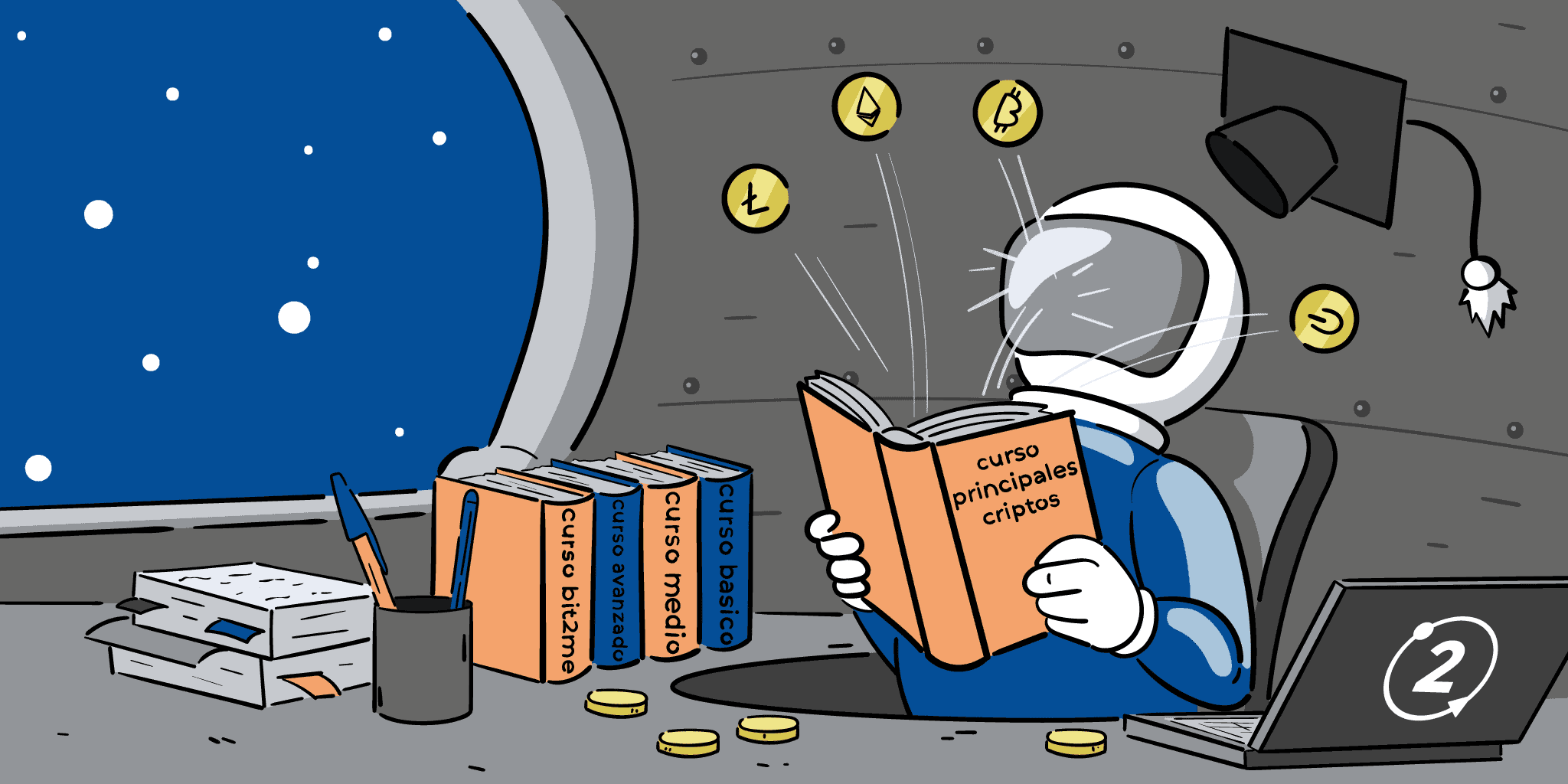
Main Cryptocurrencies Course
Basic levelBit2Me Academy brings you a new course in which you will learn everything you need about the most important cryptocurrencies that exist today.