
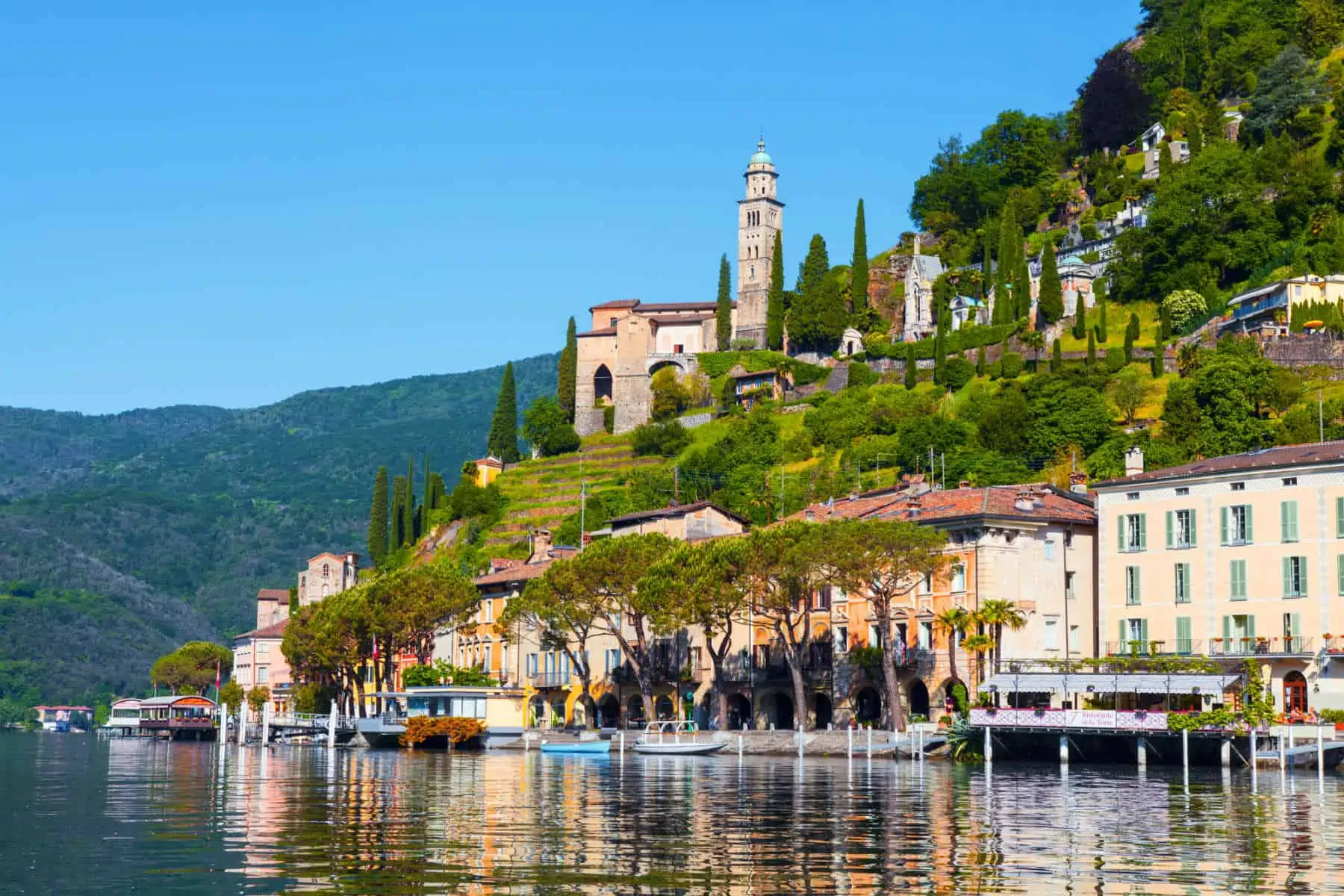
The city of Lugano has legalized the payment of taxes with cryptocurrencies such as Bitcoin and USDT. In addition, it will create its own token called LVGA.
Lugano, Switzerland's ninth-largest city and the country's third-largest financial center, is legalizing the use of cryptocurrencies, as a means of payment. The Swiss city will soon allow its citizens to pay taxes using Bitcoin (BTC), the most capitalized cryptocurrency in the industry and Tether (USDT), the stablecoin most widely used and adopted in the crypto world. Lugano also plans to develop its own local token, called LVGA. This token can also be used for the payment of local taxes.
The city of Lugano is adopting blockchain and cryptocurrencies to enhance its position as an innovative city at the forefront of new technologies. By using crypto assets such as Bitcoin and USDT, which are widely adopted globally, Lugano can attract capital investors and crypto-related companies to establish itself as a blockchain city.
The local authorities of Lugano are collaborating with Tether Limited, the issuer of USDT, to develop the new payment infrastructure and boost the adoption of cryptocurrencies among its citizens.
It may interest you: Switzerland launches regulatory framework for new era of blockchain finance
Lugano: Bitcoin payments in 200 shops
According to the plans announced by the city, in addition to taxes, citizens and residents of Lugano will also be able to use cryptocurrencies as a means of payment in up to 200 shops and businesses in the area. The aim is to give a major boost to the use and adoption of crypto assets for the acquisition of goods and services.
Paolo Ardoino, CTO of Tether Limited, shared on his official Twitter account some of the goods and services that citizens will be able to purchase using the aforementioned cryptocurrencies. For example, it shows that people will be able to pay for utilities, student fees, fines, and more, with cryptoassets. The city is moving forward with its plans to capitalize on the global cryptoasset trend and create a more efficient crypto-based payment economy, in order to attract further development. Lugano has become an important financial and commercial center in Switzerland, being the third in the country, behind Zurich and Geneva.
The city has not yet set a date for the implementation of cryptocurrency payments. However, Ardoino said it will be in the coming months. In addition to this, the authorities explained that, once cryptocurrency payments are enabled, the assets received will be immediately transformed into the local currency, as a measure of protection against the risks of volatility in the crypto industry.
This Thursday, Lugano hosted the “Plan B” event that met hundreds of people from various countries to discuss the opportunities of cryptocurrencies. During the event, the example of El Salvador was highlighted as the first country in the world to adopt Bitcoin as its legal tender.
Switzerland and cryptocurrencies
Switzerland is one of the most crypto-friendly jurisdictions in the world. A year ago, the country's government approved the first phase of the Blockchain Tokenized Securities Act to allow the trading and negotiation of tokenized securities. Also, in September, the financial authority FINMA approved the creation of the first cryptocurrency fund in the country, allowing accredited investors to gain exposure and invest in digital assets.
In 2020, the University of Southern Switzerland created the “Ticino Blockchain Technologies Association”, an organization dedicated to the study and research of cryptocurrencies and blockchain to promote their use and application in different industries. The state-owned bank Basler Kantonalbank (BKB) is became The country is also home to the World Stablecoin Association (WSA), which was established as a global stablecoin association to unify crypto industry projects.
The canton of Zug started accepting Bitcoin and Ether payments in February 2021.
Continue reading: World Stablecoin Association (WSA), the global association for stablecoins established in Switzerland