
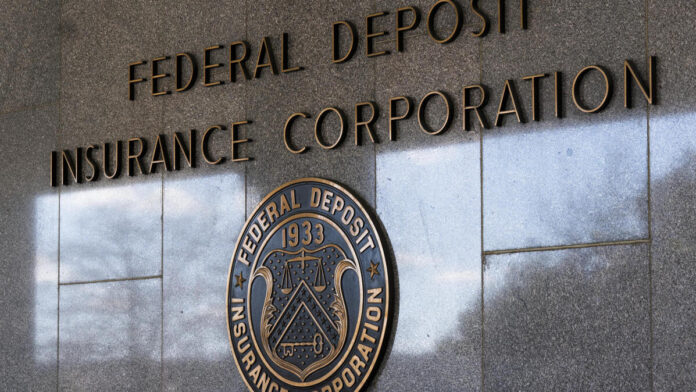
The FDIC is making it easier for U.S. banks to explore cryptocurrencies and blockchain, according to Travis Hill, the agency's acting chairman. New regulatory guidance is expected for the development of this market.
The U.S. Federal Deposit Insurance Corporation (FDIC) is taking concrete steps to facilitate the adoption of cryptocurrencies and blockchain technology by banks in the country.
Travis Hill, the acting chairman of the FDIC, recently announced the agency's intention to adopt a more flexible and transparent approach to regulating activities related to digital assetsThis policy change, announced in a recent speech at the American Bankers Association Summit in Washington, comes as the financial industry increasingly explores the potential of cryptocurrencies and blockchain technology to improve efficiency, reduce costs, and offer new services to customers.
With this initiative, the FDIC seeks to balance the need to protect consumers and maintain the stability of the financial system with the desire to foster innovation and economic growth.
BUY BITCOINHill explained that The FDIC is reviewing existing regulations and considering issuing new guidelines. to address the unique challenges posed by the integration of cryptocurrencies into the traditional banking sector. A central focus of this review is determining whether to expand the cryptocurrency-related activities deemed permissible for banks and how these activities should be supervised to ensure their safety and soundness.
The FDIC reconsiders restrictions on public blockchains
One of the key points of the FDIC's new strategy is the Reassessment of restrictions imposed on banks regarding the use of public blockchains and without permitsPreviously, US regulations have been more conservative compared to other jurisdictions, where banks have been allowed to interact with public blockchains, such as Bitcoin and Ethereum, for several years.
In his recent speech, the acting chairman of the FDIC acknowledged this disparity, suggesting that a total ban on interaction with public blockchains could be excessively limiting and that it is necessary to find a balance that allows innovation while managing the associated risks.
Hill stated that the process of renewing the FDIC's approach to cryptocurrencies and blockchain technology has already begun, pledging to provide greater certainty in these areas.
SOLANA BUYSThis change of stance implies that the FDIC is open to allowing banks to use public blockchains for certain applications, provided appropriate safeguards are in place. Furthermore, measures are being considered to ensure that these activities are conducted securely and in compliance with existing regulations. It is also evaluating how to define and oversee public blockchains operating in permissioned mode, which could offer a greater level of control and security for banks.
The FDIC intends develop clear and lasting standards for the responsible use of public blockchains, building on existing interagency guidance, including joint statements issued in January and February 2023.
New guidelines for specific cryptocurrency use cases
The FDIC plans to publish additional guidance that will address specific use cases for digital assets, seeking provide greater clarity to banks on how they can interact with cryptocurrencies safely and legally. This developing guidance, according to Hill, aims to answer key questions about permissible cryptocurrency-related activities, the supervisory treatment of blockchain-based products, and risk management expectations for banks in this space. Hill emphasized that the agency is actively evaluating all of these areas to establish a coherent and transparent supervisory framework.
BUY ETHEREUMThe regulatory clarity it seeks to provide is essential to foster responsible innovation in the banking sector. By defining the boundaries of permissible activities, the FDIC aims to encourage banks to explore new opportunities in the field of digital assets, while ensuring they understand and appropriately manage the associated risks. This guidance may cover aspects such as the custody of cryptoassets, the acceptance of deposits linked to stablecoins, the issuance of stablecoins, and participation in blockchain validation. By offering concrete examples and clear guidelines, the FDIC hopes to facilitate the safe and efficient adoption of cryptocurrencies and emerging technologies by banks.
Stablecoins and tokenized deposits are in the FDIC's sights.
Stablecoins, cryptocurrencies designed to maintain a stable value by linking their value to a reserve of assets, are an area of particular interest for the FDIC. The agency is analyzing potential updates to deposit insurance regulations to clarify eligibility requirements for stablecoin reserve deposits. Key aspects under review include liquidity risk management, safeguards against illicit finance, and cybersecurity standards.
Hill noted that the FDIC is carefully examining all of these issues to ensure stablecoins are used safely and responsibly in the financial system.
TRADE WITH STABLECOINSIn addition to stablecoins, the FDIC is also paying attention to tokenized deposits, where traditional bank deposits are represented as digital tokens on a blockchain.
Towards a regulated and transparent future
The FDIC is committed to providing a clear and transparent regulatory framework that supports innovation in the banking sector and ensures the safety and soundness of the financial system. By taking a more open approach to cryptocurrencies and blockchain technology, the agency seeks to encourage banks to explore new services and use cases while establishing the necessary safeguards to mitigate risks.
Travis Hill has emphasized the importance of balancing innovation with responsibility, noting that the FDIC expects to issue additional guidance in the future on specific cryptocurrency-related activities.
 Certificate
Main Cryptocurrencies Course
Basic levelBit2Me Academy brings you a new course in which you will learn everything you need about the most important cryptocurrencies that exist today.
The measures being considered by the FDIC are expected to have a profound impact on the future of banking in the United States. By removing the barriers that prevent banks from exploring cryptocurrencies and blockchain technology, the agency is opening the door to a new era of financial innovation. The new regulations are expected to facilitate the creation of innovative products and services, such as faster and cheaper payments, new investment options, and greater transparency in financial transactions. At the same time, the FDIC is working to ensure that these advancements occur safely and responsibly, protecting consumers and preserving the stability of the financial system as a whole.
BUY CARDANOIn conclusion, the FDIC's initiative represents a turning point in cryptocurrency regulation in the United States. By adopting a more open and proactive stance, the agency seeks to foster innovation and growth in the banking sector while ensuring that appropriate safeguards are in place.
With these efforts, the FDIC is laying the groundwork for a future where banks can harness the potential of cryptocurrencies and blockchain technology to offer new and improved services to their customers, while maintaining the stability and integrity of the financial system.
Investing in cryptoassets is not fully regulated, may not be suitable for retail investors due to high volatility and there is a risk of losing all invested amounts.