
Discover how CeDeFi protocols can transform Bitcoin from a static store of value into a productive asset, combining institutional security with decentralized financial innovation.
For more than a decade, the dominant narrative has positioned Bitcoin primarily as a store of value or a digital variant of gold, emphasizing its escasez and censorship resistanceHowever, the 2026 calendar marks a turning point where the technological infrastructure allows that capital, previously static in cold wallets, to begin generating active value flows.
This transformation is based on the rise of the so-called decentralized finance o CeDeFi, a hybrid model that seeks to capture the operational efficiency of algorithms without sacrificing the protection and compliance frameworks demanded by global institutions.
Put your Bitcoin to work for you at Bit2Me EarnHybrid protocols as utility catalysts for Bitcoin
The architecture underpinning this new digital finance model allows services such as lending, custody, and interest generation to be executed through transparent algorithms that any user can verify in real time. By simplifying previously unnecessarily complex processes, current platforms enable Bitcoin to transcend its role as a hedge against inflation.
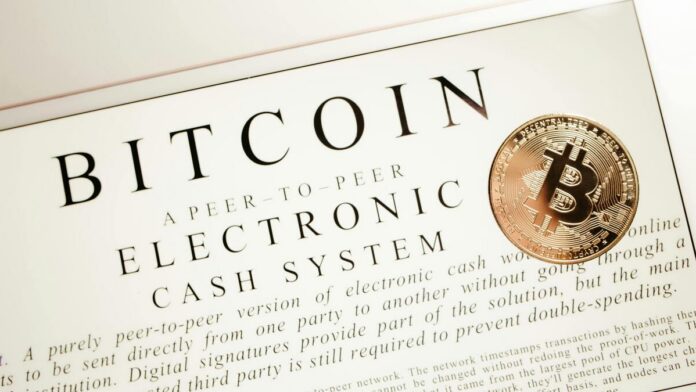
According to several digital infrastructure trend reports, such as the one published by Messaria Last year, for the leading crypto, the impact of this architecture was significant because it allowed it to evolve from a currency originally designed to be an electronic cash system to become the base layer of a performance economy.
Through specialized protocols, users can deposit their holdings to serve as collateral in institutional lending or market arbitrage strategies. The technical operation relies on representation instruments that maintain the value pegged to the original cryptocurrency while automatically accumulating profits. By using verified custodians and continuous on-chain audits, the aim is to reduce the uncertainty that often deters more conservative investors from the alternative finance sector.
In this context, protocols have emerged specifically designed to unlock Bitcoin's operational potential. Projects like Bitfi or Bouncebit illustrate this trend through restaking mechanisms and the creation of Bitcoin representations that automatically accumulate value. By using these instruments, investors maintain their exposure to the price of the original coin while the asset generates profits from real financial activities, such as arbitrage or liquid staking.
According to Web3 asset management analysts, this approach allows for maximizing the efficiency of previously idle capital. The ability to utilize Bitcoin's collateral value in verified channels reduces reliance on speculative rewards, replacing them with returns based on cash flow and economic activity within the ecosystem.
Join Bit2Me and access Bitcoin todayThe synergy between institutional custody and blockchain transparency
The evolution of the financial system is moving toward a point where digital and traditional approaches are converging. Banks and financial institutions understand that integrating digital assets into their services is no longer a distant option, but a strategic necessity. Experts indicate that adopting hybrid models is emerging as the most coherent path to achieving this, offering a balance between technological innovation and regulatory compliance. By combining the secure infrastructure of traditional banking with the efficiency of blockchain technology, these organizations can maintain user trust while reducing operating times and costs.
The global financial system gains strength when speed meets transparency. International transactions, which previously required several days and a considerable number of intermediaries, can now be completed in seconds thanks to blockchain. This agility not only boosts competition among institutions but also expands access to financial services in regions where banking infrastructure is limited.
Compared to older models that kept assets static for extended periods, new strategies based on decentralized protocols allow Bitcoin and other digital assets to play a more active role. Even so, this progress demands a careful balance. Fully decentralized systems still face technical failures and security risks, while centralized platforms retain vulnerabilities associated with trust in third parties. The hybrid approach seeks to mitigate these extremes through multi-signature custody, ongoing audits, and regulation that incentivizes accountability without stifling innovation.
For the end user, this change represents an opportunity to access a more equitable and secure ecosystem. They can retain control of their information and assets within an environment supported by audited protocols and more clearly defined legal frameworks.
Under the concept of CeDeFi, Bitcoin can cease to be perceived solely as a digital asset for storing value and instead support a more robust, efficient, and trust-oriented digital economy.
Access Bit2Me Earn and awaken your BitcoinCreating a more resilient and diverse financial ecosystem for active capital
Considering the above, the development of infrastructures that integrate decentralized and centralized systems has opened a new chapter in the relationship between traditional finance and the blockchain ecosystem. This type of architecture not only facilitates the entry of institutional capital but also strengthens security by distributing risks and promoting shared custody models. In doing so, each participant benefits from a more robust structure, where transparency and interoperability operate as fundamental principles that mitigate system weaknesses.
The transition of Bitcoin and other digital assets from their initial function as a store of value to their use as productive instruments represents a stage of maturity within the ecosystem. This evolution is accelerating thanks to the consolidation of clearer regulatory frameworks and increasingly sophisticated analytical tools, which allow for a more coherent integration of traditional finance with new technological layers.
In this context, Bitcoin reaffirms its central role, not only as a safe haven asset, but also as a key tool for supporting liquidity and efficiency in global markets. Its transparent and verifiable nature positions it as reliable collateral in an economy that demands greater precision, accountability, and strategic vision in capital management.
 Certificate
Bitcoin 101 Course
Medium levelIn Bit101Me Academy's Bitcoin 2 Course you can continue your crypto education and learn what Bitcoin is, where it comes from and how to obtain it.