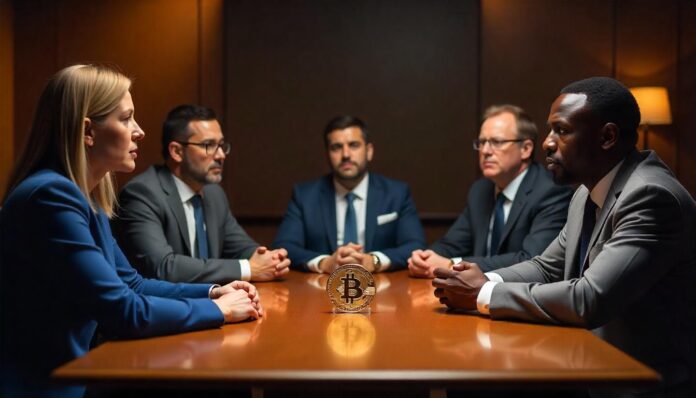
The SEC is preparing to discuss the tokenization of real assets at a key roundtable this month. The goal is to establish a regulatory framework that fosters innovation and protects investors in the emerging cryptoasset market.
The U.S. Securities and Exchange Commission (SEC) has taken an interest in a technological innovation that is transforming the way financial markets operate: real asset tokenization (RWA). The agency has scheduled a roundtable to discuss the tokenization of real assets, with the aim of establishing clear rules that allow for a safer and more regulated cryptoasset market..
This roundtable, which will take place on May 12, is part of a series of meetings aimed at clarifying crypto regulation in key areas of the industry, such as cryptocurrency trading and custody, and decentralized finance (DeFi).
Operate quickly and easily with Solana here.Asset tokenization, which involves converting traditional assets into digital tokens on a blockchain, offers new opportunities for accessibility, liquidity, and transparency in investments. Given the regulatory and technological challenges this innovation presents, the SEC seeks to foster trust in the cryptoasset space through an open dialogue on tokenization. This debate is expected to mark the beginning of a fundamental stage for the regulatory and technological integration of cryptoassets into the global economy.
RWA tokenization drives global financial innovation
Asset tokenization is emerging as one of the most promising segments in today's financial landscape. Real-world assets, ranging from real estate and debt to private equity and commodities, are being digitized to facilitate their division and trading in global markets. The RWA sector's adaptability to cryptocurrency market fluctuations demonstrates its robustness and attractiveness to institutional capital.
Según un release According to the press release, next week the SEC's Crypto Task Force will be examining tokenization, dividing the discussion on this technological innovation into two main panels: «Evolution of Finance, Capital Markets 2.0″ y «The Future of Tokenization».
The SEC reported that prominent firms such as BlackRock, Nasdaq, Fidelity, Franklin Templeton, and Securitize will participate in this roundtable.
Regulatory implications and public-private dialogue in the crypto industry
The SEC's initiative to organize roundtables and establish adaptive regulatory frameworks for emerging innovations in the digital industry underscores a proactive approach to balancing innovation with investor protection. SEC leaders have expressed their intention to encourage the creation of regulations that enable technological advancement without compromising consumer safety. With this approach in mind, the agency seeks to ensure that tokenization becomes a driver of democratization and efficiency within financial markets.
BUY AND SELL ETHEREUM ON BIT2MEHester Peirce, who leads the federal agency's Cryptocurrency Working Group, expressed interest in hearing the panelists' ideas for how the SEC should address this issue. She also emphasized that "Tokenization is a technological advancement that could substantially change many aspects of our financial markets.”
The SEC's interest in this growing and expanding innovation has intensified following an agreement signed with El Salvador in late April to launch a regulatory sandbox focused on real estate tokenization. This sandbox will help explore the potential for international collaboration to establish key regulations and standards for digital assets.
The transformative potential of asset tokenization
Tokenization has the potential to transform financial markets, as Peirce points out, by converting physical and financial assets into digital instruments tradable 24/7 globally. This enables assets previously illiquid or inaccessible to small investors, such as real estate or private debt, to be fractionated and exchanged more quickly and at lower cost, at any time. It also facilitates transparency and traceability in transactions thanks to the immutability and security inherent in blockchain.
 Certificate
Main Cryptocurrencies Course
Basic levelBit2Me Academy brings you a new course in which you will learn everything you need about the most important cryptocurrencies that exist today.
Notable examples include the tokenization of US Treasury bonds and real estate funds, which have made it possible to eliminate intermediaries and offer instant settlement, expanding the investor base. Experts project that by the end of this decade, 30% of the global financial system could be tokenized on the blockchain, transforming investment and wealth management as we know it. This evolution will benefit large corporations and individual investors, especially in emerging markets, fostering broader and more equitable financial inclusion.
The SEC advances a crypto regulatory framework
The upcoming SEC roundtable marks a key step forward in addressing the regulatory challenges surrounding tokenization and the crypto ecosystem more broadly.
The regulatory clarity the agency seeks, and that users and investors demand, is essential to foster responsible innovation and ensure protection against potential fraud and manipulation, while promoting the integrity of financial markets. Hence the importance of these SEC initiatives to balance technological innovation with safety and security.
The agency recognizes that tokenization can democratize market access and increase operational efficiency. However, clear regulation is vital to ensure the safe and responsible development of this financial evolution.
TRADE WITH STABLECOINS HEREInvesting in cryptoassets is not fully regulated, may not be suitable for retail investors due to high volatility and there is a risk of losing all invested amounts.