BlackRock is taking another step toward institutional adoption by integrating Solana and Ethereum into its digital asset infrastructure. This strategic move aims to optimize reserve management for stablecoins, strengthening the bridge between traditional finance and the crypto ecosystem through tokenization.
Institutional expansion into multiple blockchains
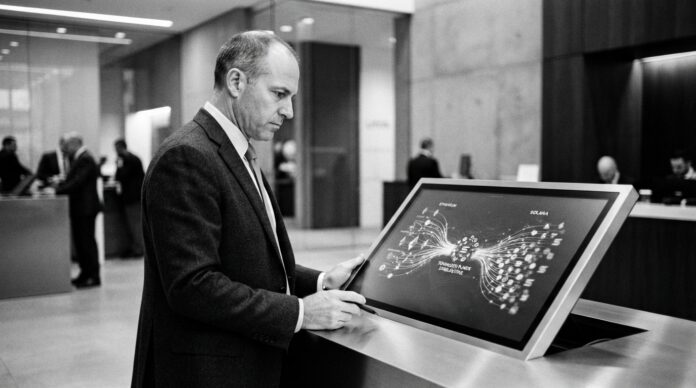
The financial giant BlackRock Expands its tokenized money market fund using Solana alongside EthereumThis initiative is specifically designed to support stablecoin reserves, a critical sector requiring high liquidity, constant auditing, and absolute transparency. By combining the historical robustness of the Ethereum network with Solana's speed and low operating costs, the asset manager aims to offer a much more efficient infrastructure for its institutional clients.
Why tokenize money market funds?
Real-world asset tokenization (RWA) allows traditional financial products to be represented directly on a blockchain. In the case of money market funds, this translates into near-instantaneous settlements and uninterrupted 24/7 operation. Institutions of this size manage billions of euros daily, and the ability to move value without the friction and limited hours of the traditional banking system marks a turning point in corporate treasury management.
The role of stablecoins and the MiCA Regulation
Stablecoins play a fundamental role in this new financial structure. With the implementation of the MiCA Regulation in the European Union, the requirements for the reserves backing these assets are stricter than ever. Using audited and transparent tokenized funds helps issuers comply with rigorous liquidity and asset safeguarding requirements. If you want to better understand how these regulations and networks work, you can explore the free resources at Bit2Me Academy.
Impact on the crypto ecosystem and diversification
The choice of multiple blockchains demonstrates that the institutional future is inherently multi-chain. Ethereum remains the industry standard due to its proven security and immense value locked, while Solana is rapidly gaining traction thanks to its ability to process thousands of transactions per second with fees of just a few euro cents. For those looking to build their portfolio for the long term, understanding these institutional moves is key. buy SUN o acquire ETH on regulated platforms to expose yourself to the technologies being adopted by major financial players.
FAQ
What is a tokenized fund?
It is the digital representation of a traditional investment fund using tokens on a blockchain. It allows for fractional ownership, improved transparency, and faster transfers without relying on traditional intermediaries, operating continuously every day of the year.
Why does BlackRock choose Solana and Ethereum?
Ethereum offers the most robust and secure network for institutional smart contracts, while Solana provides superior scalability with minimal fees. This combination allows for a balance of security, speed, and efficiency in managing large volumes of capital.
How does this affect stablecoins under MiCA?
The MiCA Regulation requires stablecoins to maintain highly liquid and secure reserves. Tokenized funds from recognized asset managers provide a transparent and compliant vehicle for issuers to efficiently back the value of their digital assets.
The integration of blockchain infrastructure by traditional financial institutions confirms the technological maturity of the crypto sector. The coexistence of networks like Ethereum and Solana in institutional products underscores that technological diversification is the path forward for scaling global finance.
As the tokenization of real-world assets progresses, the line between traditional finance and the decentralized ecosystem becomes increasingly blurred, opening the door to a much more agile, transparent, and accessible global financial system.
Investing in cryptoassets is not fully regulated, may not be suitable for retail investors due to high volatility and there is a risk of losing all invested amounts.