
Despite the volatility of cryptocurrencies, US regulators want banks to integrate into this growing ecosystem and play a relevant role in the crypto world.
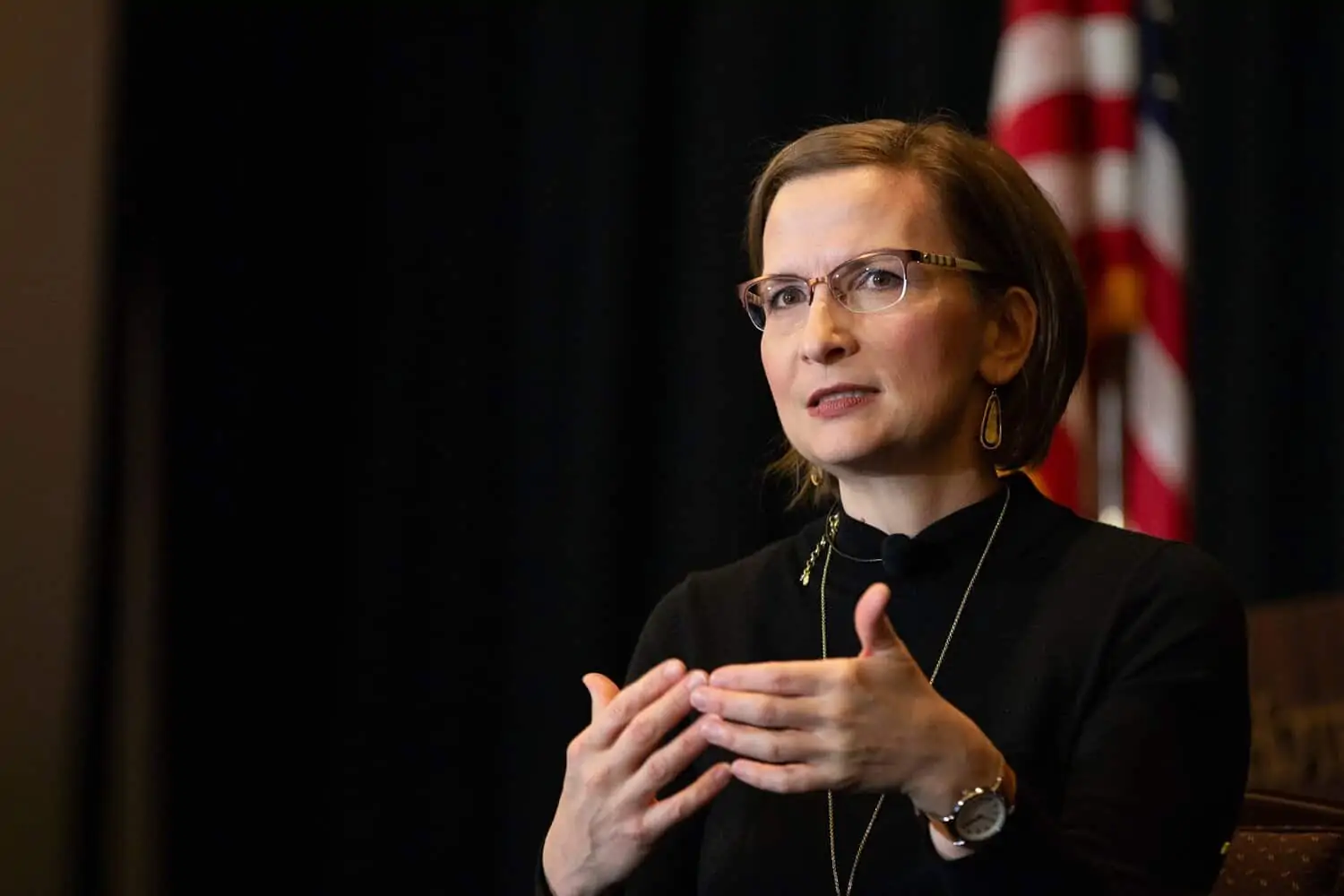
Jelena McWilliams, chair of the US Federal Deposit Insurance Corporation (FDIC), said that US regulators are devising ways for banks to find their role within the crypto ecosystem and blockchain. By reported Speaking to Reuters news agency, McWilliams discussed regulators' intentions during his participation in the Milken Institute Global Conference 2021, held last week in Beverly Hills, California.
US regulators want banks to be actively involved in the crypto world. The intention, McWilliams explained, is to not lose control over this emerging and fast-growing financial ecosystem.
In general, banks can begin to offer new services based on cryptocurrencies, ranging from basic ones such as trading, storage and custody, to more specialized services such as investments, loans, savings, interest accounts, among others. McWilliams assured that given the potential growth of the crypto industry, which has appreciated more than 600% in the last year and exceeds $2,71 trillion in market capitalization Regulators now want to forge a clearer path that will allow banks to safely enter this digital ecosystem, in order to open up new opportunities that will strengthen their stability and permanence within the financial system over time.
“US regulators are looking to provide a clearer path for banks and their customers looking to hold cryptocurrencies, in order to maintain control over these rapidly developing assets”, Reuters quoted McWilliams as saying.
It may interest you: Bitcoin in times of Crisis and Pandemic
Regulators, banks and the crypto world
The cryptocurrency and blockchain ecosystem has seen an exceptional development since its birth in 2009, which has become even more pronounced in recent years. This level of development is much higher than what some experts predicted years ago; a reality that has begun to worry regulators in the United States and around the world.
The adoption and use of cryptocurrencies, as assets for exchange and value storage, is increasing every day and banks are beginning to realize the importance of participating within this ecosystem, dominated by non-banking and non-financial companies.
To date, major banks such as US Bank, JPMorgan, BNY Mellon, Morgan Stanley, Signature Bank, and recently Five Star Bank and UNIFY Financial Credit Union, among others, are adopting new custody and trading services to Bitcoin and other cryptocurrencies for their American customers and users. However, the FDIC chairwoman acknowledges that most of the country's banking and financial institutions are missing out on huge opportunities by not getting involved in the cryptocurrency ecosystem.
Regulatory framework for managing risks
In July of this year, Senator Elizabeth Warren, a known cryptocurrency skeptic, said He said he would rather see the US financial system in the hands of banks than in the hands of anonymous individuals who make up the crypto community. However, for this to happen, the country's regulators need to establish a clear regulatory framework that allows the entry of banking entities into this industry. According to McWilliams, one of the biggest concerns for regulators is the volatility of cryptocurrencies, so they must create new regulations and legislation, or adjust existing ones, to help banking entities properly manage and mitigate risk.
The future of banks
The current appetite for cryptocurrencies and digital assets is leaving banks and their unprofitable services and products behind for many. The ecosystem DeFi, for example, which allows people to access different financial products in a decentralized way, has grown more than 2.600% in the last 12 months, accumulating liquidity greater than 240.000 million currently.
For McWilliams, investments within these decentralized protocols, and in other financial products of the crypto industry, will continue to grow exponentially if banks do not enter the game.
“I think we need to allow banks to enter this space, as long as the risk is properly managed and mitigated… If we don’t bring this activity inside the banks, it will happen outside of them… Federal regulators will not be able to regulate it.”
In Texas, United States, the state Department of Banking authorized Texas Department of Banking authorized regional banks in the middle of this year to operate with cryptocurrencies and offer custody services for digital assets to their clients and users. The decision of the Texas Department of Banking to authorize these services with crypto assets was driven by the high demand of its citizens, who increasingly demand exposure to digital assets. However, despite the initiatives of some states such as Texas, the overall regulatory landscape for cryptocurrencies remains quite confusing in the country.
Basel Committee
The global growth of the cryptocurrency and blockchain ecosystem, and the need for banks to participate in it, also prompted the Basel Committee on Banking Supervision to launch a public consultation to study the possibility of banks exposing themselves to the potential of these digital assets. In June, the BCBS, the global organization that brings together all banking supervisory authorities, said it was possible for banks to enter the world of cryptocurrencies.
Likewise, US regulators are already beginning to take regulation of the crypto industry more seriously. As Bloomberg recently reported, the SEC and the Treasury Department, along with other regulators, are expected to publish a report on regulation of cryptocurrencies. stablecoins in the country in the coming days. For his part, McWilliams calls on regulators to formulate an initial document that serves as a guide for banking entities that want to act as custodians and offer innovative services with cryptocurrencies and digital assets.
Continue reading: Deloitte: Banks must prepare for an imminent digital future full of cryptocurrencies