
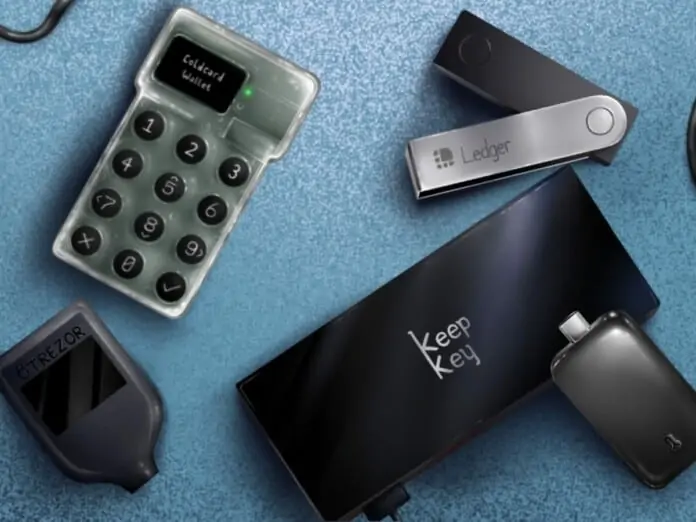
In the world of cryptocurrencies, the promise of quick riches has attracted millions of investors since Bitcoin burst onto the scene in 2009. For some, however, that promise has morphed into a silent nightmare: losing access to their digital wallets and, with them, fortunes now worth millions of dollars. These stories of forgotten private keys, misplaced hard drives, and lost passwords are a brutal reminder of Bitcoin’s two-facedness: its impenetrable security is both its greatest strength and its cruelest flaw.
The price of decentralization
Bitcoin was designed by Satoshi Nakamoto as a decentralized system, free of intermediaries like banks or governments. To achieve this, users control their funds through a “private key,” a unique string of characters that acts like a key to a digital safe. Without that key, there is no way to access the bitcoins stored in a wallet, and due to the nature of the blockchain, there is no “reset password” button or authority to turn to. If you lose it, your bitcoins are essentially doomed to remain inaccessible forever.
An estimated 20% to 30% of all bitcoins mined to date — around 3 to 4 million BTC — are lost, either due to lost keys, damaged devices, or owners who died without instructions. With the price of Bitcoin reaching all-time highs (surpassing $100,000 by 2024), those lost bitcoins now represent billions of dollars, a digital treasure trapped in the void.
 Certificate
Main Cryptocurrencies Course
Basic levelBit2Me Academy brings you a new course in which you will learn everything you need about the most important cryptocurrencies that exist today.
Stories that shake
One of the best known stories is that of Stefan Thomas, a German programmer who in 2011 received 7.002 bitcoins as payment for an explanatory video about cryptocurrencies. At the time, they were worth just a few hundred dollars. Thomas wrote down his private key on a piece of paper and stored it on an IronKey hard drive, but lost the device’s password. Today, those bitcoins are worth more than $700 million, and after exhausting eight of his ten attempts to unlock it, Thomas lives with the anguish of knowing that his fortune is just two failed attempts away from disappearing forever.
Another emblematic case is that of James howells, a Briton who mined 7.500 bitcoins in the early days of Bitcoin using his personal computer. In 2013, his partner inadvertently threw the hard drive containing his private key into the trash. Howells has spent years trying to recover the device from a landfill in Wales, offering millions to local authorities to dig it up, but as of March 2025, his bitcoins — valued at more than $750 million — remain buried under tons of waste.
These are no exceptions. From early investors who underestimated Bitcoin’s future value to people who simply forgot where they stored their keys, the stories abound. Online forums like Reddit are filled with anonymous accounts of users lamenting formatted hard drives, lost phones or notes destroyed by fire.
A problem with no easy solution
The tragedy of these losses is the impossibility of recovery. Companies like Wallet Recovery Services try to help those affected, but they can only act if the user retains at least some of the original information, such as a “seed phrase” or a backup file. Even then, success is not guaranteed, and the services are often expensive. For those who have nothing — like Howells or Thomas — current technology offers little hope.
Some experts suggest that future advances in quantum computing could one day break Bitcoin encryption and unlock lost wallets. However, this would also pose security risks to the entire network, and is far from a practical solution in 2025. For now, lost bitcoins remain as an immutable file on the blockchain, visible to everyone but untouchable.