
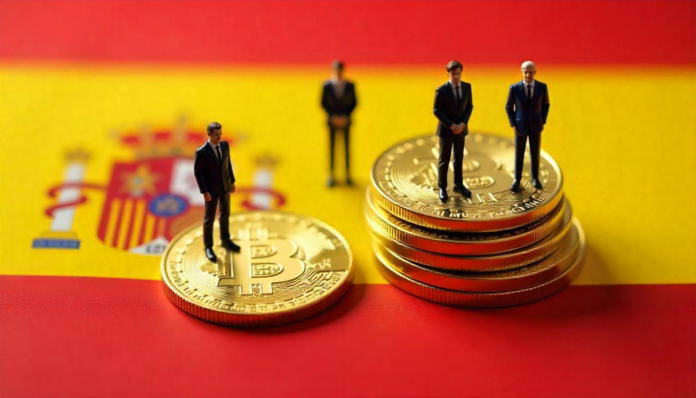
Seven out of ten cryptocurrency users in Spain face difficulties declaring their earnings. Learn the keys to overcoming this tax challenge.
The world of cryptocurrencies has been gaining ground in Spain in recent years, with more and more people interested in this innovative financial ecosystem. However, when it comes to filing their tax returns, most of these users face significant uncertainty.
Although declaring profits from cryptocurrencies is required, is not a simple process for 70% of Spanish investors, according to a recent study conducted by TaxDown. Furthermore, the survey reveals that two out of three people who manage crypto assets find it difficult to complicated statement, which demonstrates a widespread lack of knowledge and fear of making mistakes when dealing with the Spanish tax authorities.
PREPARE YOUR WALLET NOWThe growing ecosystem and tax complexity: a challenge for crypto investors
Although the cryptocurrency market in Spain continues to grow and mature professionally, tax issues remain one of the biggest obstacles for those managing these digital assets.
El study TaxDown, a Spanish platform specializing in income tax returns, emphasizes that a 52% of users are afraid of making mistakes in their tax return, a concern motivated by the real possibility of being penalized. This concern is not unfounded, as calculating the exact value of cryptocurrencies for tax purposes is a complex task for 56% of those who responded to the survey.
At the same time, another crucial point that generates confusion is determining what type of operations should be reflected in the declaration: Whether it only covers the sale, or also includes the exchange of cryptocurrencies, or internal transfers between one's own wallets. This lack of clarity highlights a tax market still poorly adapted to the dynamic reality of digital assets. Furthermore, specialized terminology and complex tax regulations increase the feeling of insecurity and confusion.
Faced with this situation, more than half of those surveyed choose to seek external advice, demonstrating that most need support to properly comply with their tax obligations.
Regarding the particular context in Spain, cryptocurrencies are considered part of the taxable base of the personal income tax (IRPF), and any capital gain or loss arising from it must be declaredTax treatment also applies to a variety of transactions, including sales, exchanges, and in some cases donations or gifts, which requires detailed knowledge to avoid errors.
 Certificate
Course on Taxation of Bitcoin and other Cryptocurrencies in Spain (only in Spanish)
Medium levelLearn from experts in the Tax area all the details about the taxation of cryptocurrencies in Spain.
Spanish Crypto Investors: Experience and Long-Term Vision
The cryptocurrency investor landscape in Spain has taken an interesting turn in recent years. According to a TaxDown survey, almost half of those involved in this sector have been investing for one and five years managing your digital assets, and 12,5% even have more than five years of experience. These figures debunk the myth that only newcomers or casual speculators dare to delve into the crypto world, proving that the majority of users are experienced and forward-thinking.
BUY BITCOIN ON BIT2MEInterestingly, the main motivation of these Spanish investors is not the search for quick profits, but rather the long term savings, according to 56% of respondents. This mentality also reflects a growing maturity in the sector.
However, neither experience nor long-term planning frees Spanish crypto investors from a common obstacle: tax returns. Many, despite their experience, still find the process of reporting their profits or losses to the Treasury complicated, facing the complexity of Spanish regulations each year.
How to avoid mistakes when declaring cryptocurrencies in Spain?
The procedure for declaring cryptocurrencies can seem overwhelming, but it is vital to know some keys to do it correctly. For example, it is essential determine the value in euros of each cryptocurrency at the time of the transaction to calculate the taxable base for personal income tax. Likewise, the following must be considered: include all transactions that involve a change in assets relevant, whether it be a sale, barter or even exchange for goods and services.
A typical transaction that raises questions is when an investor transfers their cryptocurrencies between different wallets; these internal transfers usually don't generate a tax charge, but it's crucial. document them to avoid confusion with purchase or sale transactions. The lack of clear definition in the regulations contributes to this ambiguity and often leads to the submission of erroneous or incomplete declarations.
Given this scenario, the general recommendation for those in the crypto ecosystem is have specialized advice and digital tools such as Bit2Me Tax, to facilitate the calculation and classification of your transactions. This platform offers a free tax tool that can help you generate detailed tax reports on your cryptoasset transactions, thus facilitating tax returns to the Spanish Tax Agency.