Discover how Brazil is revolutionizing transportation with vehicle tokenization using blockchain. Paraná is leading a historic shift that eliminates fraud and digitizes the automotive market.
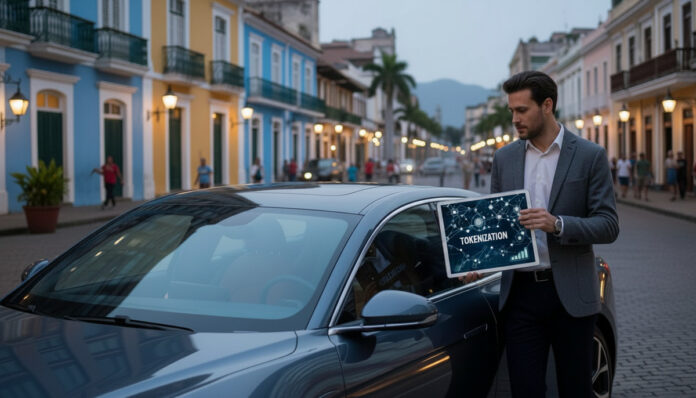
The state of Paraná is leading a historic transformation in Brazil's transportation sector. Through the tokenization of more than 3.000 vehicles and the integration of blockchain technology, the state government is advancing the digitalization of public administration to offer unprecedented security in the automotive market this year.
Blockchain technology strengthens confidence in Brazil's automotive market
Paraná has announced the creation of a unique digital identity for automobilesThis pioneering technological solution combats one of the sector's most persistent problems: data manipulation in the used vehicle market. Local authorities recently reported on the tokenization of 3.462 vehicles during the first phase of the pilot project, called Digital Vehicle Passport, which aims to digitize a total of 1,5 million vehicles by 2026.
According to insights shared by the Paraná Transit Department (Detran-PR) and the Paraná Institute of Technology (Tecpar), The foundation of this project lies in creating a record that cannot be improperly altered thanks to the potential of blockchain technology. The new system integrates vehicle data from various sources and consolidates it into a single database. transparent and immutable record.
This new model involves automotive companies like Renault and General Motors, along with financial institutions such as Banco BV, which provide key information to guarantee the authenticity of each vehicle. Furthermore, the collaboration between the public and private sectors allows data on financing, accidents, and ownership transfers to be stored securely and in chronological order.
Thanks to this mechanism, buyers and insurers can consult the digital history of each car and verify its actual condition, reducing the risks of fraud or hidden information, such as odometer tampering or undeclared debts.
According to Detran-PR executives, the main purpose of the blockchain-based tokenization system is to offer citizens a reliable tool to validate vehicle information, something that until now was complicated or scattered across different databases.
With this initiative, Paraná takes an important step towards modernization and transparency in the automotive market, marking a technological milestone that reinforces trust between users and institutions.
Manage crypto assets on Bit2MeReal Asset Tokenization (RWA): The Future of Property
The strategic use of tokenization in the blockchain allows a physical asset to function with the agility of software, offering a traceability y transparency which paper documents could never guarantee. By converting each vehicle into a unique digital record within a network, all information becomes more secure, programmable, and easier for the relevant authorities to audit, eliminating manual procedures and reducing verification times.
Thanks to this digital transformation, the various systems that previously operated separately—such as dealership databases and state traffic registries—can now work in a coordinated manner. This optimizes administrative management and facilitates vehicle tracking throughout their lifecycle, creating tangible benefits for institutions, businesses, and citizens.
Amid this development, local technology firms assert that this architecture guarantees data integrity from its source, ensuring that any changes to a vehicle's status are automatically and verifiably reflected on the network. This level of accuracy will strengthen the confidence of public agencies and vehicle owners, who can consult their vehicles' history with complete security.
Buy and trade cryptocurrencies todayA global trend: From Brazil to Europe and Asia
The digital transformation of physical assets goes beyond Brazil and extends across several countries thanks to blockchain technology, which simplifies the management of real estate.
En EuropeFor example, institutions use this tool to securely and quickly verify diplomas and academic certifications, eliminating fraud in educational processes. Argentina y BoliviaLivestock producers are implementing tokens that track the origin and movement of their livestock, facilitating international trade and ensuring quality in supply chains.
Vietnam For its part, it stands out with progressive laws that allow tokenization of assets in public management, from properties to state funds, streamlining procedures and reducing costs.
All these examples show how blockchain networks drive profound changes in governments and economies, promoting greater openness and efficiency in everyday operations.
Access your account and trade crypto today