
CABEI, the Central American Bank for Economic Integration, said it will support and help El Salvador implement Bitcoin as legal tender in the face of doubts from banks and remittance companies that prefer the dollar.
This Monday, the Central American Bank for Economic Integration, known by its acronym as BCIE, reported that it will cooperate with the president of El Salvador, Nayik Bukele, to help implement Bitcoin as legal tender in the country.
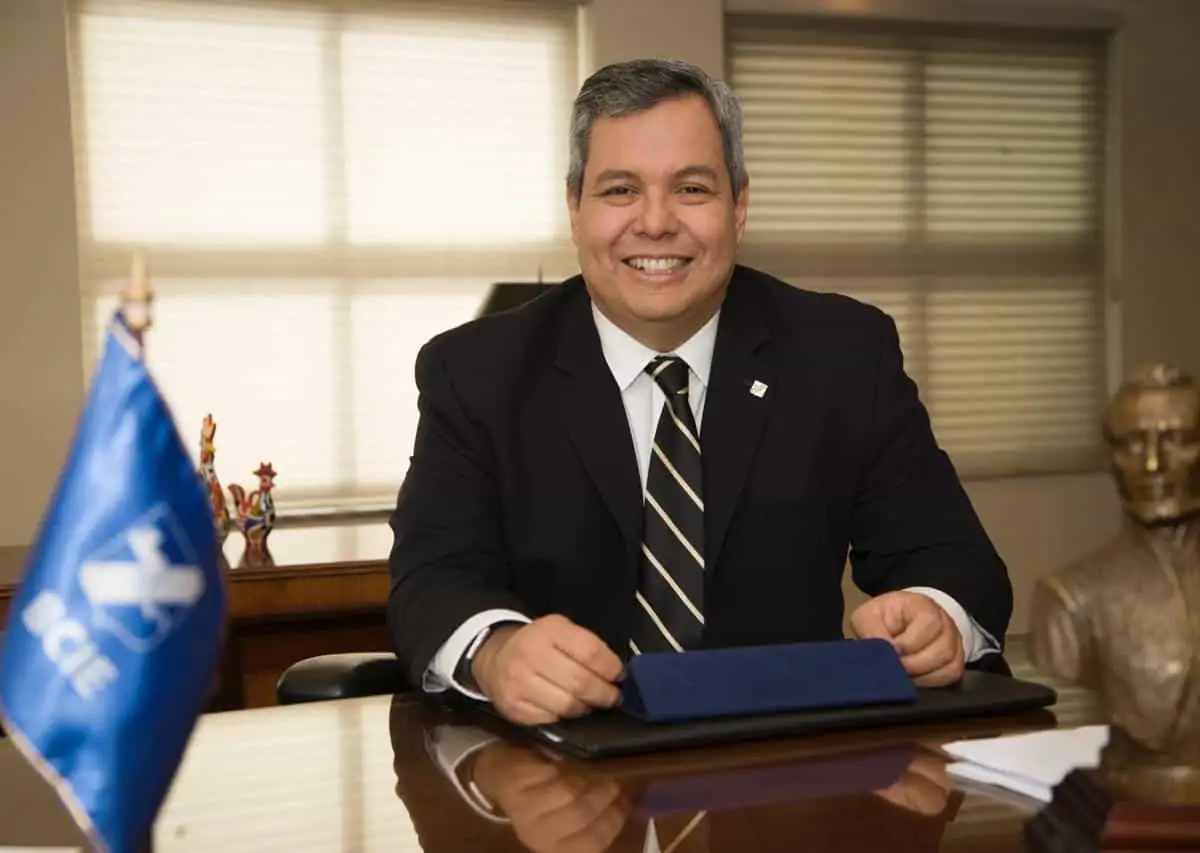
The news was announced by the executive president of CABEI, Dante Mosi, who stated that the entity is accompanying El Salvador in this new and innovative policy for the adoption of Bitcoin (BTC), The first cryptocurrency successful in the world and the largest and most powerful in the entire industry. The country's president had requested technical support from banking entities and other countries to implement the changes that were necessary in this process.
Bukele tweeted the news on his Twitter account, accompanying it with emojis illustrating his recent announcements about a new project to boost bitcoin mining with the energy of volcanoes.
El Salvador became the first country in the world to adopt Bitcoin as legal tender last Wednesday. Since then, the country has been encouraging several Latin American politicians to consider creating new regulatory proposals that would allow the cryptocurrency to be integrated into their financial systems in order to become the future Bitcoin nations.
It may interest you: Osprey Funds CEO Says More Countries Will Adopt Bitcoin as Legal Tender
A new kind of business with Bitcoin
In response to the doubts of banks and remittance companies that want to continue using the dollar as a reference currency, the CABEI will assign a team of high-level experts to advise on the use of bitcoin in business. According to the president of the entity, Bitcoin provides a modern and innovative way of doing business, so it is necessary to accompany El Salvador in this profound monetary reform.
Dante Mossi gave a virtual press conference on Monday where he applauded El Salvador's initiative to fully integrate bitcoin into its system. He also reported that the team of high-level professionals being created to promote the use of bitcoin is participated in by the Ministry of Finance of El Salvador and the Central Bank of the country.
However, Mossi also clarified that the adoption of cryptocurrency represents a challenge for the Central American nation since there are no precedents in history. “We have to take it head on and find the best way to protect the user”, were the words of the president of the CABEI during the virtual conference.
Bitcoin vs Dollar in remittances
In El Salvador, commercial banks say they agree with the new law that makes the use of bitcoin official, although they also prefer to keep the US dollar as the reference currency to facilitate administrative matters. For their part, remittance companies and businesses argue that a large part of the remittances that move in the market are done in cash and not in cryptocurrencies, so they hesitate to offer support for bitcoin even though the recently approved law in El Salvador requires it.
Kenneth Suchoski, a payments and fintech analyst at Autonomous Research, estimates that less than 1% of remittances are being sent in bitcoin or another cryptocurrency, so companies like Western Union, which have a presence in El Salvador, could be slow to adopt the country's new policies and offer support for Bitcoin. The specialist said Reuters said companies are unlikely to adopt cryptocurrency until they see strong demand from users.
On the other hand, Bukele said that he will allocate a fund of 150 million dollars to promote the risk-free use of bitcoin among merchants and other businesses in the country. The president of El Salvador clarified that the legalization of the cryptocurrency is not a fad but rather a fairly wise decision considering that nearly 70% of the population does not have access to the traditional financial system.
Financial services for all
Through Bitcoin, Bukele aims to provide access to efficient financial services to the entire population of El Salvador. The president noted that more than 50% of Salvadorans have access to Internet services, which makes the use of Bitcoin easier than the dollar itself. Thus, the new policies promoted by the Central American country will successfully ensure that the entire population can access financial services in an easy, fast, safe and reliable way.
It is worth remembering that Bitcoin was born in 2009 as an alternative to the disasters caused by the global financial system, offering a decentralized, inclusive, secure, transparent and reliable solution for everyone equally. The design and operation of this cryptocurrency allows it to guarantee cross-border payments and transactions without censorship; in addition, due to its potential future growth, it has become one of the preferred reserve assets and safe haven of value for hundreds of millions of users and companies in the world.
Continue reading: El Salvador will launch a plan to mine Bitcoin with 100% clean and renewable geothermal energy